
Holiday Phishing Scams: How to Stay Cyber-Safe This Festive Season

The holiday season is upon us, which is usually a time for giving, connecting, and celebrating — but unfortunately, it’s also prime time for cybercriminals. Every year, phishing attacks spike during the holidays – starting with Black Friday and Cyber Monday – taking advantage of busy shoppers, generous donors, and distracted employees. Whether you’re clicking through online sales or managing year-end finances, knowing how to spot and stop phishing attempts can keep your data — and your holiday spirit — safe. Why Phishing Increases During the Holidays Cybercriminals know people are more likely to let their guard down this time of year. A few reasons phishing thrives during the holidays include: According to cybersecurity reports, phishing email volume can increase by up to 80% during the holiday season. Common Types of Holiday Phishing Scams Here are some of the most frequent scams seen between November and January: How to Protect Yourself and Your Organization The good news: A few smart habits can protect you from most phishing threats. A Secure Season Starts with Awareness The holidays should be a time of joy, not digital danger. By staying alert to phishing tactics and sharing these best practices with your colleagues, friends, and family, you can ensure a safer, stress-free holiday season online. Remember: When something sounds too good to be true — or too urgent to wait — it’s probably a phish.
Preparing for the Worst: Building Cyber Resilience with AccessIT Group
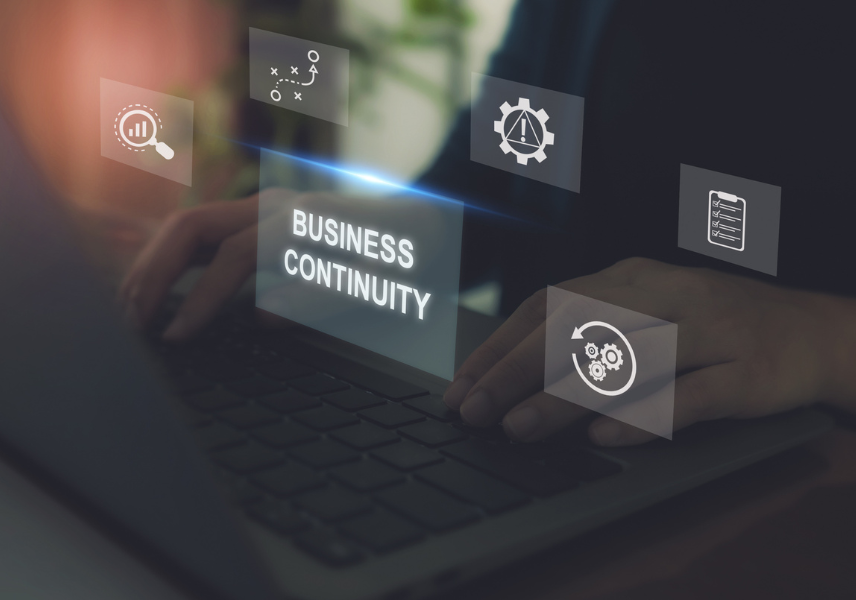
Cyberthreats are relentless and constantly changing, clearly showing that every organization must be prepared for the worst. CISOs face high pressure to develop and implement effective incident response (IR) and business continuity (BC) plans that minimize damage and keep critical operations running during crises. This is where AccessIT Group stands out as your trusted partner. With a unique approach that combines deep expertise with customized solutions, AccessIT Group helps cybersecurity professionals build strong, proactive strategies that not only respond to incidents quickly but also ensure business resilience and long-term recovery. In this blog, we’ll explore how AccessIT Group’s distinctive approach supports cybersecurity professionals in preparing for cyberincidents and maintaining business continuity when it matters most. How AccessIT Group Strengthens Incident Response 1. Customized Incident Response Planning AccessIT Group collaborates closely with your security leaders to develop and continually improve incident response plans tailored to your organization’s specific risks and priorities. Our specialists create detailed playbooks for various scenarios, including ransomware, data breaches, and insider threats, ensuring you’re prepared for any situation. 2. Advanced Threat Detection and Monitoring We assist you in deploying and integrating advanced security tools such as SIEM, EDR, and threat intelligence platforms. 3. Security Awareness and Training Programs Human error continues to be a top cause of breaches. AccessIT Group provides thorough security awareness training and simulated phishing campaigns designed to help your workforce identify and report potential threats, enhancing your human firewall. 4. Incident Simulation and Tabletop Exercises We conduct realistic incident simulations and tabletop exercises that evaluate and improve your team’s response skills. These sessions involve cross-functional stakeholders, including legal, communications, and leadership, to strengthen coordination and build confidence during crises. 5. Vendor and Regulatory Coordination AccessIT Group helps you manage relationships with law enforcement, regulators, and third-party vendors, ensuring your incident response remains compliant and well-organized throughout every phase. How AccessIT Group Enhances Business Continuity 1. Business Impact Analysis and Prioritization Our consultants work with you to perform comprehensive Business Impact Analyses (BIA), pinpointing critical processes and systems and establishing Recovery Time Objectives (RTO) and Recovery Point Objectives (RPO) that align with your business goals. 2. Resilient Infrastructure Solutions AccessIT Group can help you design and implement resilient infrastructure strategies, including automated backup solutions and geographically distributed architectures to reduce risks from localized disruptions. 3. Comprehensive Business Continuity Planning We develop comprehensive, actionable business continuity plans that encompass all key functions and scenarios. Our team also helps regularly test these plans through drills and exercises to ensure preparedness and ongoing improvement. 4. Integrated Incident Response and Continuity Management AccessIT Group helps unify your IR and BC efforts, creating seamless workflows that enable smooth transitions from incident containment to business restoration, minimizing downtime and operational impact. 5. Regulatory Compliance Support We ensure that your business continuity practices comply with industry standards and regulatory requirements, such as ISO 22301 and NIST guidelines, thereby reducing compliance risks and enhancing audit readiness. Why Partner with AccessIT Group? Expertise: Our team has decades of combined experience in cybersecurity, incident response, and business continuity across various industries. Tailored Solutions: We recognize that each organization is unique and provide customized strategies that align with your risk profile and business goals. Proactive Partnership: At AccessIT Group, we believe in staying ahead. We help you anticipate threats and build resilience before they happen. Our proactive approach ensures that your organization remains ready and protected. Comprehensive Support: From initial planning and training, AccessIT Group provides a full suite of services. We support you every step of the way, making sure your organization is fully prepared and resilient against cyberthreats. Trusted Advisor: Our open communication and teamwork make us a dependable extension of your security team. Conclusion Preparing for the worst is no longer optional; it’s crucial. With AccessIT Group supporting you, cybersecurity professionals gain a strong partner in creating and implementing incident response and business continuity plans that safeguard your organization’s assets, reputation, and future. Ready to boost your defenses and ensure operational resilience? Contact AccessIT Group today to learn how we can tailor our expertise and solutions to meet your specific needs. Chad Barr, C|CISO | CISSP | CCSP | CISA | CDPSE | QSA | ASV Director of Governance, Risk & Compliance | Risk Advisory Services
Securing the Future of Work: Navigating the Challenges of Remote and Hybrid Environments
The COVID-19 pandemic has not only changed how we work but has also brought a new era of remote and hybrid work environments to the forefront. While these changes have advantages, they have also introduced various security challenges that organizations must address immediately. As the future of work continues to evolve, understanding and mitigating the security risks associated with remote and hybrid work models is crucial. The urgency of this task cannot be overstated, and immediate action is necessary. It’s also important to remember that security is not a one-time fix, but a continuous process of adaptation and improvement. We will explore the key security considerations for remote and hybrid work environments, offering practical strategies and best practices that are easy to implement. This will help organizations navigate this dynamic landscape and confidently protect their digital assets. These strategies are not just theoretical, but practical and effective, designed to be easily implementable, empowering you to take control of your organization’s security. The Rise of Remote and Hybrid Work The global pandemic has accelerated the adoption of remote and hybrid work models, with many organizations embracing these flexible arrangements as the new norm. According to a report from the Office of Behavioral and Social Sciences Research, the shift to remote and hybrid work has been driven by various factors, including: 1. Increased Productivity and Efficiency: Remote and hybrid work models have shown the potential for enhanced productivity and efficiency. Employees can often work more effectively without the distractions and commute time associated with traditional office environments. 2. Improved Work-Life Balance: The ability to work from home or in a hybrid setting has enabled employees to manage their personal and professional responsibilities more effectively, leading to increased job satisfaction and reduced burnout. 3. Talent Acquisition and Retention: Organizations can attract and retain top talent from a broader geographic pool by offering remote and hybrid work options. Employees are no longer restricted by location. 4. Cost Savings: Lowering overhead costs associated with physical office spaces and infrastructure can lead to substantial savings for organizations that adopt remote and hybrid work models. Security Challenges in Remote and Hybrid Environments While the advantages of remote and hybrid work are well-documented, these new work models also bring a variety of security challenges that organizations must tackle. Some key security considerations include: 1. Expanded Attack Surface: The shift to remote and hybrid work has significantly expanded the attack surface, which refers to all the points where an unauthorized user can attempt to enter or extract data from an environment. As employees access corporate resources from various devices and networks, often outside the traditional office environment, this increased attack surface makes it more challenging to maintain consistent security controls and visibility throughout the organization. 2. Endpoint Security Vulnerabilities: Remote and hybrid work environments rely heavily on employee-owned devices, which may not have the same level of security controls and updates as corporate-owned equipment. This can create vulnerabilities that cybercriminals can exploit to gain unauthorized access to sensitive data and systems. 3. Secure Remote Access Challenges: Ensuring secure remote access to corporate resources is crucial in a distributed work environment. Poorly configured or outdated virtual private networks (VPNs), identity and access management (IAM) systems, and other remote access solutions can expose organizations to various security risks, including data breaches and unauthorized access. 4. Increased Phishing and Social Engineering Attacks: Remote and hybrid work environments often make it easier for cybercriminals to exploit human vulnerabilities through phishing and social engineering attacks. Employees working from home may be more susceptible to these tactics due to the lack of physical security and oversight found in traditional office settings. 5. Data Leakage and Compliance Concerns: The decentralized nature of remote and hybrid work can make maintaining data security and complying with regulatory requirements more challenging. Employees may inadvertently expose sensitive information or fail to follow established data-handling protocols, leading to potential data breaches and compliance violations. Strategies for Securing Remote and Hybrid Work Environments Organizations must adopt a comprehensive and proactive approach to address the security challenges posed by remote and hybrid work models. Here are some key strategies and best practices that are effective in securing your remote and hybrid work environments. These strategies are designed to be easily implementable, empowering you to take control of your organization’s security. 1. Implement Robust Endpoint Security: Ensure that all devices used for remote and hybrid work, including employee-owned devices, are equipped with up-to-date antivirus software, firewalls, and other security controls. Consider using endpoint detection and response (EDR) solutions to enhance visibility and control over remote endpoints. 2. Strengthen Remote Access Security: Implement robust multi-factor authentication (MFA) and zero-trust access policies. Zero-trust is a security concept that assumes no user or device should be trusted by default, even if they are inside the corporate network. This means every user and device, whether inside or outside the network, must be verified before being granted access to corporate resources. In a zero-trust model, access is granted on a ‘need-to-know’ basis, and all traffic is inspected, regardless of its source or destination. Review and update VPN configurations regularly and consider alternative remote access solutions such as virtual desktop infrastructure (VDI) or cloud-based access management platforms. 3. Enhance Employee Cybersecurity Awareness and Training: Regularly educate and train employees on cybersecurity best practices, which include recognizing and reporting phishing attempts, securely handling sensitive data, and adhering to remote work security protocols. Adopt a culture of security awareness and shared responsibility among all employees. 4. Implement Robust Data Protection and Encryption Measures: Ensure that all sensitive data is encrypted both at rest and in transit, regardless of the device or network being used. Implement data loss prevention (DLP) solutions, which are tools and processes designed to prevent sensitive data from being lost, misused, or accessed by unauthorized users, to monitor and control the flow of sensitive information. Consider cloud-based data storage and collaboration platforms that offer robust security features, including end-to-end encryption, secure access controls, and regular security updates, to
Why KPIs Should Matter to a CISO: Measuring and Improving Cybersecurity

As a Chief Information Security Officer (CISO), your role is not just about implementing, maintaining, monitoring, and continuously improving your cybersecurity program. It’s also about proving its effectiveness and justifying investments. With cyberthreats evolving daily, security leaders must establish measurable, data-driven approaches. Key Performance Indicators (KPIs) play a crucial role in this, as they provide a clear roadmap for your cybersecurity program and empower you to make informed decisions and confidently justify your investments. Why KPIs Matter for a CISO By providing a clear roadmap for your cybersecurity program, KPIs empower you, as a CISO, to make informed decisions and confidently justify your investments. Effective KPIs allow you to: Quantify Security Performance: Show stakeholders how security initiatives reduce risk, minimize the potential financial impact on the organization and increase productivity in a secure and cost-effective manner. Justify Budget Requests: Provide data-backed justifications for security solutions and personnel investments. Enhance Decision-Making: KPIs are not just numbers on a page. They are tools that can be used to identify and reduce risk, assess incident response times, manage compliance, and refine cybersecurity strategies. By providing a clear roadmap for your cybersecurity program, KPIs empower you to make informed decisions and confidently justify your investments. Align with Business Goals: KPIs are not just about measuring cybersecurity performance. They also play a crucial role in ensuring that security initiatives support organizational objectives by streamlining processes and improving functionality. This alignment with business goals is key to demonstrating the value of your cybersecurity program to the wider organization. Essential KPIs for a CISO To drive meaningful cybersecurity investments and continuous improvements, CISOs should track the following KPIs: 1. Mean Time to Detect (MTTD) & Mean Time to Resolve (MTTR) Why it matters: The speed at which your team detects and responds to incidents directly influences the damage caused by cyber threats. Reducing the “blast radius” is key to ensuring minimal impact on the organization. How to measure: Track the time from the first indication of an incident to detection (MTTD) and from detection to resolution (MTTR). Incident response should include the following: identification and analysis, containment, eradication, recovery (resolution), and lessons learned. 2. Phishing Susceptibility Rate Why it matters: Phishing remains a primary attack vector, and understanding how often employees fall for phishing attempts highlights the effectiveness of training. How to measure: Monitor the percentage of employees who click on simulated phishing emails, open links, or enter credentials (phish-prone) versus those who report them. 3. Patch Management Compliance Why it matters: Unpatched vulnerabilities are a leading cause of breaches. Ensuring timely patching reduces exposure. It is critical to prioritize based on vulnerabilities that are critical, high, exploitable, have exploits available, and are currently being exploited in the wild, then work from there. How to measure: Track the percentage of critical, high, and medium patches applied within the required timeframe. Showing a percentage decrease for each severity level per month/quarter shows progress in the right direction. 4. Number of Security Incidents Why it matters: A high number of security incidents may indicate gaps in defense mechanisms. Example: A link that was clicked enabling an adversary to drop information-stealing malware or a keylogger onto an endpoint. How to measure: Categorize incidents by severity and track trends over time. Add a distinction between contained and eradicated incidents and incidents that led to a breach of confidentiality, integrity, and availability. 5. Security Awareness Training Completion Rates Why it matters: Human error is a major security risk. Ensuring employees complete training programs helps mitigate threats. How to measure: Track participation rates and post-training assessments. 6. Third-Party Risk Assessment Scores Why it matters: Vendor security weaknesses can lead to data breaches. Measuring third-party cybersecurity risk helps mitigate supply chain threats. How to measure: Use standardized security questionnaires and risk assessments for vendors. Review penetration testing results, SOC 2 or ISO 27001/27005 reports. 7. Compliance Audit Pass Rate Why it matters: Regulatory fines and reputational damage can result from non-compliance. How to measure: Track the percentage of passed security audits versus failed ones. Making KPIs Actionable Remember, KPIs are not just numbers on a page. They are tools for driving continuous improvement in your cybersecurity program. As a CISO, you can make the most of them by: Align KPIs with Business Risk: Focus on metrics directly impacting business operations. Organizational leadership is concerned with resiliency and profitability, so tailor the KPIs to what matters most to the report’s recipients. Automate Data Collection – Use security tools and SIEM systems to automate reporting. If you don’t have a tool that provides output, including all metrics, consider creating a spreadsheet with a dynamic dashboard. Regularly Review and Adapt – Cyber threats evolve, and your KPIs should, too. KPIs are not static. I update my dashboard monthly in preparation for the quarterly board of directors presentation. Report to Leadership in Business Terms – Translate security metrics into financial and operational impacts. It is critical to present the KPIs adapted to the audience who will be receiving them. You don’t want to talk about CVEs with a CEO or board member. Craft the message in a way that reflects profit and loss. Final Thoughts In today’s rapidly evolving threat landscape, the effectiveness of CISOs is judged not only by their ability to prevent attacks, maintain compliance, or reduce organizational risk but also by how well they measure, communicate, and improve security performance. KPIs, by their proactive nature, provide the foundation for this, ensuring that cybersecurity isn’t just a reactive function but a strategic pillar of business resilience. By leveraging the right KPIs, CISOs cannot only build stronger defenses but also secure executive buy-in and drive long-term security success. AccessIT Group employs vCISOs and other thought leaders with decades of experience leading strategic cybersecurity initiatives in all industry verticals. If you struggle with producing effective KPIs or delivering the proper message to stakeholders, reach out for a free one-hour consultation or engage with our team for a longer-term partnership to ensure your success in identifying, documenting, and