
Preparing for the Worst: Building Cyber Resilience with AccessIT Group
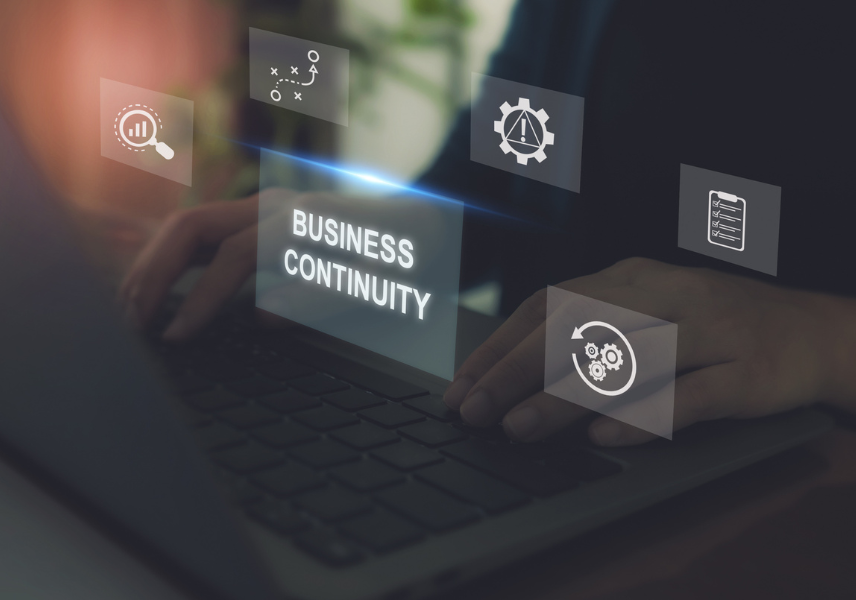
Cyberthreats are relentless and constantly changing, clearly showing that every organization must be prepared for the worst. CISOs face high pressure to develop and implement effective incident response (IR) and business continuity (BC) plans that minimize damage and keep critical operations running during crises. This is where AccessIT Group stands out as your trusted partner. With a unique approach that combines deep expertise with customized solutions, AccessIT Group helps cybersecurity professionals build strong, proactive strategies that not only respond to incidents quickly but also ensure business resilience and long-term recovery. In this blog, we’ll explore how AccessIT Group’s distinctive approach supports cybersecurity professionals in preparing for cyberincidents and maintaining business continuity when it matters most. How AccessIT Group Strengthens Incident Response 1. Customized Incident Response Planning AccessIT Group collaborates closely with your security leaders to develop and continually improve incident response plans tailored to your organization’s specific risks and priorities. Our specialists create detailed playbooks for various scenarios, including ransomware, data breaches, and insider threats, ensuring you’re prepared for any situation. 2. Advanced Threat Detection and Monitoring We assist you in deploying and integrating advanced security tools such as SIEM, EDR, and threat intelligence platforms. 3. Security Awareness and Training Programs Human error continues to be a top cause of breaches. AccessIT Group provides thorough security awareness training and simulated phishing campaigns designed to help your workforce identify and report potential threats, enhancing your human firewall. 4. Incident Simulation and Tabletop Exercises We conduct realistic incident simulations and tabletop exercises that evaluate and improve your team’s response skills. These sessions involve cross-functional stakeholders, including legal, communications, and leadership, to strengthen coordination and build confidence during crises. 5. Vendor and Regulatory Coordination AccessIT Group helps you manage relationships with law enforcement, regulators, and third-party vendors, ensuring your incident response remains compliant and well-organized throughout every phase. How AccessIT Group Enhances Business Continuity 1. Business Impact Analysis and Prioritization Our consultants work with you to perform comprehensive Business Impact Analyses (BIA), pinpointing critical processes and systems and establishing Recovery Time Objectives (RTO) and Recovery Point Objectives (RPO) that align with your business goals. 2. Resilient Infrastructure Solutions AccessIT Group can help you design and implement resilient infrastructure strategies, including automated backup solutions and geographically distributed architectures to reduce risks from localized disruptions. 3. Comprehensive Business Continuity Planning We develop comprehensive, actionable business continuity plans that encompass all key functions and scenarios. Our team also helps regularly test these plans through drills and exercises to ensure preparedness and ongoing improvement. 4. Integrated Incident Response and Continuity Management AccessIT Group helps unify your IR and BC efforts, creating seamless workflows that enable smooth transitions from incident containment to business restoration, minimizing downtime and operational impact. 5. Regulatory Compliance Support We ensure that your business continuity practices comply with industry standards and regulatory requirements, such as ISO 22301 and NIST guidelines, thereby reducing compliance risks and enhancing audit readiness. Why Partner with AccessIT Group? Expertise: Our team has decades of combined experience in cybersecurity, incident response, and business continuity across various industries. Tailored Solutions: We recognize that each organization is unique and provide customized strategies that align with your risk profile and business goals. Proactive Partnership: At AccessIT Group, we believe in staying ahead. We help you anticipate threats and build resilience before they happen. Our proactive approach ensures that your organization remains ready and protected. Comprehensive Support: From initial planning and training, AccessIT Group provides a full suite of services. We support you every step of the way, making sure your organization is fully prepared and resilient against cyberthreats. Trusted Advisor: Our open communication and teamwork make us a dependable extension of your security team. Conclusion Preparing for the worst is no longer optional; it’s crucial. With AccessIT Group supporting you, cybersecurity professionals gain a strong partner in creating and implementing incident response and business continuity plans that safeguard your organization’s assets, reputation, and future. Ready to boost your defenses and ensure operational resilience? Contact AccessIT Group today to learn how we can tailor our expertise and solutions to meet your specific needs. Chad Barr, C|CISO | CISSP | CCSP | CISA | CDPSE | QSA | ASV Director of Governance, Risk & Compliance | Risk Advisory Services
Securing the Supply Chain: A CISO’s Guide to Managing Risks from Third Parties

Today’s interconnected digital world reveals that an organization’s cybersecurity depends on its most vulnerable element, which often exists outside company walls. Third-party vendors, together with suppliers, contractors, and partners, create complex dependencies that attackers regularly target because of existing vulnerabilities. The CISO, as the leader of the organization’s cybersecurity efforts, now plays a crucial role in supply chain risk management. This role represents both mandatory compliance and essential enterprise resilience needs. The New Face of Supply Chain Threats Recent attacks on zero-day vulnerabilities within popular software components have joined the SolarWinds and MOVEit incidents. Threat actors have modified their attack methods by launching attacks against third parties with weaker security defenses to gain entry into better-protected organizations. The evolving nature of threats requires organizations to move their risk management beyond traditional perimeter defense toward more extensive proactive security measures. The rise of Anything as a Service (XaaS) and open-source components, together with supply network globalization, makes third-party risk management more difficult. Every enterprise today depends on hundreds to thousands of external partners who get access to sensitive information and system resources and code repositories. Key Challenges in Third-Party Risk Management CISOs encounter various ongoing obstacles when implementing supply chain protection measures. 1. Many organizations fail to obtain complete information about their third-party relationships and the specific data access rights their entities possess. 2. Vendor assessment procedures are frequently manual and isolated. They are restricted to initial onboarding phases without follow-up assessments for evolving risk profiles. 3. The changing threat environment introduces complex assessment challenges because of AI-based phishing attacks, deepfake impersonations, and state-sponsored cyberattacks. The regulatory framework has become more demanding because of NIS2 (the Network and Information Systems Directive II), GDPR (the General Data Protection Regulation), and the SEC’s new cybersecurity disclosure requirements which enforce enhanced monitoring and reporting of third-party security risks. A CISO’s Playbook: Strategies for Securing the Supply Chain CISOs need to incorporate cybersecurity into vendor management life cycles, which include vendor selection and onboarding, followed by continuous observation and vendor termination. The following strategic pillars will direct this transformation process: 1. The company needs to implement a Third-Party Risk Management (TPRM) framework. The TPRM program should contain formalized procedures that include: The framework should classify vendors into two risk groups (critical and non-critical). The security questionnaires follow the standards of NIST, ISO 27001, and SOC 2. The TPRM program should integrate with procurement and legal operational workflows. 2. Continuous Monitoring and Threat Intelligence Point-in-time assessments are no longer sufficient. Continuous monitoring tools and cyber threat intelligence feeds should be used to: Detect signs of vendor compromise Determine if there is shadow IT or unauthorized connections present. Real-time vulnerability management is required to detect new vulnerabilities. 3. Zero Trust Architecture (ZTA) Third-party access requires the implementation of Zero Trust principles. Every user should receive the minimal permissions needed for their role. Implement micro-segmentation Monitor all network traffic and user behavior analytics (UBA) 4. Contractual and Legal Safeguards The vendor agreements need to incorporate the following elements: Vendors must meet both cybersecurity standards and data protection regulations. Breach notification timelines Right to audit clauses The terms need to be checked and revised at regular intervals to match current security threats, together with emerging regulations. 5. Vendor Incident Response Integration Third parties need to integrate into your organization’s incident response procedures. This includes: Clear communication channels Shared escalation paths Joint tabletop exercises The collaboration during a crisis shortens the response period while minimizing potential damage. 6. Culture and Training Cyber risk is not just a technical issue. The procurement department, legal staff, compliance experts, and business personnel need training to identify and report third-party risks. All individuals who make decisions about vendors should receive cybersecurity training. The Road Ahead Supply chain security is not a future concern, but a pressing issue for boardrooms today. As digital ecosystems expand and attackers become more sophisticated, regulatory oversight intensifies. The CISO’s role is to create a risk-oriented environment that treats third-party security as a business necessity. Call to Action Your organization needs to establish preparedness for the upcoming supply chain cyber threat. It also needs to assess its third-party risk management program at this moment. Your vendor ecosystem requires a complete audit, as your organization should invest in monitoring tools and adopt NIST CSF 2.0 and ISO/IEC 27036 frameworks. Implementing proactive security measures in your supply chain is not just a response to a potential breach, but a way to reveal and address vulnerabilities before they become a problem. Remember, the best defense is a proactive offense. Remember, you’re not alone in this. AccessIT Group’s team of cybersecurity experts is here to offer consultation services, helping you establish robust TPRM programs and modernize your cybersecurity strategies. We provide customized consultations based on your industry needs and risk exposure profile, ensuring you have the support you need. By: John August Otte – Senior Cybersecurity Consultant – C|CISO | CISSP | CISM | CISA