

AI as an Insider Threat: Expanded Risks with Expanded Usage

Next-generation AI models may pose a “high” cybersecurity risk, including the potential to generate sophisticated exploits or assist intrusion operations, according to a warning from OpenAI. This highlights that AI is no longer just a defensive tool; it is a strategic attack surface that organizations must actively govern. Adding to that, 60% of organizations are highly concerned about employee misuse of AI tools enabling insider threats, according to the 2025 Insider Risk Report by Cybersecurity Insiders and Cogility. The Problem: AI Expands the Attack Surface AI is now embedded across workflows in engineering, HR, finance, and clinical operations, introducing new and often misunderstood risks. Modern AI systems can generate executable code, identify vulnerabilities, craft personalized phishing messages, and automate reconnaissance. While these tools support security teams, they also enable misuse by anyone with access. Employees, contractors, or third parties may unintentionally or deliberately misuse AI in ways traditional controls can miss. Shadow AI use, unapproved model integrations, and poorly governed prompts increase exposure. Compounding the issue, 62% of organizations faced at least one deepfake attack in the past year, and 32% experienced attacks targeting their AI applications, according to a 2025 Gartner survey. Why This Matters: Business, Regulatory, and Board Risk AI-driven insider risk is a strategic business threat. Misuse can corrupt data, create vulnerabilities, disrupt operations, and expose sensitive information, impacting productivity, customer trust, and competitive advantage. Regulatory risks are growing as organizations must comply with HIPAA, SOX, GDPR, and new AI governance requirements focused on transparency and accountability. Noncompliance risks costly enforcement and reputational harm. Boards now expect CISOs and CIOs to clearly explain how AI-enabled insider risks are governed and mitigated. Failure to do so may weaken investor confidence and slow strategic initiatives. How Organizations Can Prepare Organizations should adopt a holistic People, Process, Technology approach. People: Train employees and leaders on responsible AI use and insider risk awareness. Process: Implement strong AI governance frameworks defining acceptable use, model oversight, and ownership. Incorporate AI-specific threat modeling and behavioral analytics, leveraging standards like the NIST AI Risk Management Framework. Technology: Enforce identity and access controls around AI tools and sensitive data, along with continuous monitoring to detect misuse early. Finally, investing in ongoing employee education is critical because even as AI evolves, people remain the backbone of any defense strategy. AccessIT Group’s Strategy and Transformation practice helps organizations design and implement AI-aware insider risk programs that align strategy, governance, and technology controls to protect sensitive data and enable secure, value-driven AI adoption.
Is the Cloud Migration Mindset Snafu Reoccurring with Untethered AI Adoption?

Organizations once rushed to the cloud in search of transformation, innovation, reduced cost of ownership, and a competitive advantage. In that haste, they overlooked a hard truth: threat actors thrive in environments filled with misconfigurations and weak security practices. Many enterprises quickly embraced cloud capabilities, but they failed to bring cybersecurity along with them. Most organizations never thoroughly answered the foundational question of cloud-era security: Where does our critical data reside? Even now, many enterprises lack a complete inventory of sensitive data locations or data flows. That visibility gap did not disappear; it simply shifted. And now, with the rise of GenAI, that same unknown data is being fed into tools outside organizational control. The result was years of avoidable breaches, exposed buckets, overly permissive identities, and reactive security strategies that continue to ripple across the industry today. We are witnessing the same pattern with Generative AI and LLMs. The rapid introduction of GenAI and large language models has created unprecedented opportunities, rapid innovation, resource optimization, improved productivity, and enhanced decision quality. Yet one issue persists: Where are the guardrails? For most organizations, they are either immature or nonexistent. AI Governance should have been implemented from day one, with oversight committees established early to set boundaries, evaluate risks, and shape responsible adoption. To bridge this gap, organizations should define clear roles, responsibilities, and processes for these committees to ensure continuous oversight and accountability. This proactive approach helps organizations embed governance into their AI strategies from the outset, reducing risks and aligning with best practices. This is not speculation. Recent research shows that employees are adopting Generative AI at extraordinary rates, often without informing IT or leadership. A supporting perspective can be found in this post by Ian Paul of CheckPoint, ‘How CIOs Can Turn AI Visibility into Strategy.’ The implications are significant. Hidden or “shadow” AI usage creates an environment in which innovation occurs organically, but without governance, oversight, or security. Yet that same usage data, when finally observed, can become an invaluable blueprint for formulating an informed AI strategy. Organizations can learn exactly which tools employees find valuable and which workflows are ripe for meaningful AI-driven efficiency gains. But visibility is the prerequisite for strategy. Security leaders need to understand which AI services are being accessed, what types of prompts are being submitted, how much sensitive content is being shared, and where risky behavior is occurring. Implementing monitoring tools such as AI activity dashboards, data flow analysis, and real-time alerting can provide the necessary visibility. These methods enable organizations to identify unauthorized AI usage, assess data exposure, and ensure compliance with security policies, thereby supporting a more informed and secure AI environment. The gap between organizational intent and real-world usage shows why AI Governance must be a core function, giving leaders confidence in responsible AI management. The lesson is clear. Building visibility, governance, and accountability into AI adoption helps organizations feel prepared and secure against repeating past mistakes. Organizations do not need to slow down innovation. They need to ensure that innovation does not outpace cybersecurity’s ability to support it safely.
Governance of AI and Other Emerging Technologies: Balancing Innovation and Responsibility
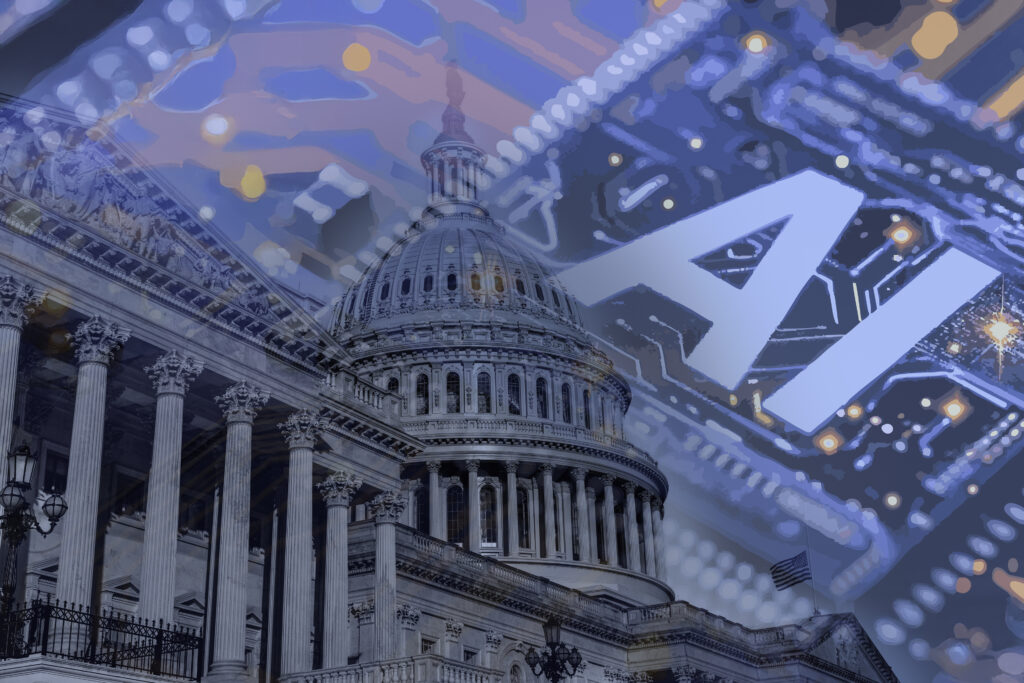
Artificial Intelligence (AI) and other emerging technologies, such as blockchain, IoT, quantum computing, and biotechnology, are not just reshaping industries and societies but also offering a beacon of hope. These innovations bring immense potential to solve complex problems, drive efficiency, and enhance the quality of life. However, they also raise critical questions about ethics, privacy, security, and accountability. The challenge lies in ensuring that these technologies are developed and deployed responsibly, balancing innovation with societal values and public trust. This is where governance frameworks come into play, providing guidelines, policies, and regulations to manage the development and use of these technologies. In this blog, we’ll explore the importance of governance for AI and other emerging technologies, the challenges it addresses, and strategies for building robust governance frameworks to foster responsible innovation. Why Governance of Emerging Technologies Matters 1. Ethical Considerations Emerging technologies, particularly AI, often raise significant ethical implications. Without robust governance, technologies can lead to unintended consequences such as bias in AI systems, misuse of data, or decisions that harm vulnerable populations. Governance ensures that ethical principles such as fairness, transparency, and accountability are upheld. 2. Mitigating Risks Emerging technologies introduce new risks, including security vulnerabilities, privacy violations, and the potential for misuse. However, governance frameworks play a crucial role in mitigating these risks by establishing standards and best practices for secure development and deployment, thereby providing a sense of reassurance. 3. Building Trust Public trust is essential for the widespread adoption of emerging technologies. Governance frameworks create transparency, demonstrating that developers and organizations prioritize user safety, privacy, and ethical behavior. 4. Ensuring Compliance and Regulation Many sectors, such as healthcare, finance, and defense, are heavily regulated. Governance frameworks ensure that emerging technologies comply with industry-specific regulations and legal requirements, minimizing the risk of fines and legal challenges. 5. Supporting Sustainable Innovation By providing guidelines and accountability mechanisms, governance frameworks help ensure that emerging technologies contribute to long-term societal and economic goals without causing harm or exacerbating inequality. Key Challenges in Governing Emerging Technologies 1. Rapid Pace of Innovation Emerging technologies evolve faster than regulatory frameworks can keep up. Policymakers often struggle to create rules that are flexible enough to accommodate future advancements while addressing present risks. 2. Global Scope Technologies like AI and blockchain operate across borders, raising questions about jurisdiction and enforcement. Coordinating governance efforts on a global scale is a significant challenge. 3. Ethical Ambiguity What is considered ethical or acceptable varies across cultures, industries, and stakeholder groups. Defining universal ethical standards for technologies like AI is complex and requires nuanced debate. 4. Balancing Regulation and Innovation Over-regulation can stifle innovation, while under-regulation leaves room for misuse. Striking the right balance between fostering innovation and ensuring safety is a delicate task. 5. Accountability and Liability Determining responsibility when emerging technologies fail or cause harm can be difficult, especially in cases involving autonomous systems or complex algorithms. Principles for Governing AI and Emerging Technologies Effective governance frameworks should be guided by principles that prioritize ethics, security, and inclusivity. Here are some key principles: 1. Transparency 2. Fairness and Inclusivity 3. Accountability 4. Security and Privacy 5. Adaptability Strategies for Building Governance Frameworks 1. Multi-Stakeholder Collaboration 2. Develop Ethical Guidelines 3. Implement Regulatory Sandboxes 4. Invest in Education and Awareness 5. Use Standards and Certifications 6. Leverage Technology for Governance Examples of Governance in Action 1. GDPR (General Data Protection Regulation) 2. OECD AI Principles 3. AI Governance in Healthcare The Future of Governance for Emerging Technologies As emerging technologies continue to evolve, governance frameworks must adapt to address new challenges. Here are some trends to watch: The future of governance will require a delicate balance between fostering innovation, protecting public interests, and ensuring equitable access to technology. Conclusion The governance of AI and other emerging technologies is critical to unlocking their full potential while minimizing risks. By establishing robust frameworks that prioritize ethics, security, and inclusivity, we can ensure that these technologies drive positive change for society as a whole. The task ahead is complex, but with collaboration, transparency, and a commitment to responsible innovation, we can navigate the challenges of the digital age and create a future where technology works for everyone. Are you ready to embrace governance as a cornerstone of your approach to emerging technologies? AccessIT can help you balance innovation and responsibility by implementing Governance of AI and Other Emerging Technologies into your processes. Let’s build a safer, more ethical, and sustainable future together.
AI: Protecting end users from themselves.

Every once in a while there is a product or technology that comes out that is a complete game changer not only for organizations, but society as a whole. The advent of AI is not new, but the adoption of large language models has exploded over the past seven years, giving everyday people the ability to understand complex topics and even assist with intricate engineering deployments. When used correctly, these tools can help you achieve your goals with nothing more than words on a screen and iterative prompts. If you equate your organization to a mission then one thing should always be top of mind, “This mission is too important for me to allow you to jeopardize it.” AI Guardrails Like any tools that are very useful and help you get your job done, there should be safety precautions taken when using these tools. A carpenter is able to do a job faster with an electric saw. Electric saws speed up the job, but need guardrails for safety. LLM’s are no different. LLM’s need guardrails to serve as an additional protective layer, reducing the risk of harmful or misleading outputs. Potential Risks: Data Privacy- Ensure organization privacy requirements are met by protecting against the leak or disclosure of sensitive corporate information, PII (personal identifiable information), and other secrets. Content Moderation- Guarantee that the AI applications being used adhere to your company’s content guardrails, approved usage guidelines, and policies. Align the application’s output with its intended use and block attempts to divulge information that could damage your organization reputation. General risks- Safeguard the applications integrity and performance by preventing misuse, ensuring secure data management, and employing a range of standard tools and proactive measures, such as detecting and blocking insecure code handling or blocking unwanted URL’s in prompts and responses. Guardrails and AITG: If you haven’t adopted the use of AI in your organization or have fear of enabling your workforce to use AI, you’re not alone. AITG works with organizations to help protect, identify and manage risks associated with LLM-based Applications. This old way of blocking URL’s or app-id’s to stop access is just that,old. At AITG, security remains the foundation of our approach, guiding how we secure and manage AI systems. Let us help make your organization and team work more efficiently by enabling them to use AI the right way, securely and responsibly.
NIST AI RMF vs ISO/IEC 42001

Bridging AI Governance and Risk Management As artificial intelligence becomes increasingly integral to business operations, regulators and standards bodies are establishing frameworks to promote trustworthy, transparent, and responsible AI. Three of the most influential are the NIST AI Risk Management Framework 100-1 (AI RMF 1.0), with companion resource 600-1 for Generative AI, and the ISO/IEC 42001:2023 Artificial Intelligence Management System Standard. While both aim to foster responsible AI, they differ in scope, structure, and implementation approach. Understanding these similarities and differences helps organizations integrate both frameworks into a unified, defensible AI governance strategy. Purpose and Intent NIST AI RMF (AI 100-1), released by the U.S. National Institute of Standards and Technology in January 2023, provides a voluntary framework to help organizations identify, manage, and mitigate AI risks throughout the AI lifecycle. It focuses on promoting trustworthiness, ensuring AI systems are valid, reliable, safe, secure, fair, and accountable. ISO/IEC 42001:2023, by contrast, is a certifiable management system standard, similar in structure to ISO/IEC 27001 for information security. It defines requirements for establishing, implementing, maintaining, and continually improving an AI Management System (AIMS), embedding AI governance directly into organizational structures and operations. In short: Structural Approach Framework Core Structure Purpose NIST AI RMF 4 Functions: Govern, Map, Measure, Manage Guides organizations through the lifecycle of identifying and mitigating AI risks ISO/IEC 42001 Plan–Do–Check–Act (PDCA) management cycle Establishes an operational, auditable AI governance system aligned with other ISO standards Both utilize risk-based thinking; however, NIST’s approach is functional and descriptive, whereas ISO’s is prescriptive and certifiable. Common Themes and Overlaps Despite structural differences, both frameworks share strong conceptual alignment and reinforce each other in practice. 1. Risk-Based Approach Both emphasize risk assessment, treatment, and monitoring. 2. Lifecycle Integration Both integrate risk management across the AI lifecycle, from data design and model training to deployment and ongoing monitoring.NIST defines AI actors and their roles, while ISO formalizes these within organizational leadership, planning, and accountability structures. 3. Trustworthiness and Ethical Principles Both promote trustworthy AI, emphasizing accountability, transparency, fairness, safety, and privacy.NIST defines seven core characteristics of trustworthy AI. ISO requires policies and controls that embed these values in corporate governance. 4. Continuous Improvement NIST encourages regular reviews and updates to adapt to the evolution of AI.ISO mandates continual improvement of the AI management system as a formal clause requirement. Key Differences Dimension NIST AI RMF ISO/IEC 42001 Nature Voluntary guidance Certifiable management system Focus AI risk identification and mitigation Organizational governance and control over AI Intended Users AI developers, deployers, policymakers Organizations seeking formal certification Outcome Improved AI trustworthiness and transparency Compliance evidence, accountability, and certification readiness Structure 4 Functions (Govern, Map, Measure, Manage) 10 Clauses (Context, Leadership, Planning, Operation, etc.) Documentation Requirement Recommended Mandatory (policies, risk register, impact assessments, controls) External Alignment OECD, ISO 31000, ISO/IEC 22989 ISO 27001, 9001, 27701, 23894 Auditability Informal self-assessment Third-party certification possible Consideration for Generative AI (NIST AI 600-1) In August 2024, NIST introduced NIST AI 600-1, “Secure Development Practices for Generative AI.” This companion document expands on the AI RMF principles to address the unique risks associated with generative AI systems. While NIST AI RMF 100-1 establishes a broad foundation for risk management across all types of AI, NIST AI 600-1 focuses specifically on model development, data security, and content integrity for generative models, such as large language models (LLMs), image generators, and other foundational models. Key aspects of NIST AI 600-1 include: For organizations already aligned with ISO/IEC 42001, incorporating NIST AI 600-1 controls can strengthen compliance by demonstrating due diligence over the secure development and responsible deployment of generative AI, especially in sectors facing increased regulatory scrutiny, such as finance, healthcare, and education. Practical Integration Strategy For organizations already certified under ISO/IEC management systems (such as 27001 or 9001), ISO/IEC 42001 provides a natural extension for AI governance. For organizations earlier in their AI maturity journey, NIST AI RMF serves as an accessible entry point to build foundational risk management processes before scaling toward certification. A combined approach is often most effective: Example of Complementary Alignment NIST AI RMF Function ISO/IEC 42001 Equivalent Common Outcome Govern Clauses 4–5 (Context, Leadership, Policy) Establishes AI governance culture and accountability Map Clauses 6–7 (Planning, Support) Identifies AI risks, opportunities, and required controls Measure Clause 9 (Performance Evaluation) Audits and monitors AI performance and risk metrics Manage Clauses 8 & 10 (Operation, Improvement) Implements and continuously enhances AI management practices AI Governance Through Policy Creation, Dissemination and Enforcement AI governance, achieved through policy creation, dissemination, and enforcement, is essential for ensuring that artificial intelligence is developed, deployed, and managed responsibly. Policies establish clear boundaries and expectations around how AI systems should operate, addressing critical aspects such as data privacy, bias mitigation, model transparency, and accountability. Without formalized governance policies, organizations risk deploying AI in ways that amplify bias, expose sensitive data, or create ethical and regulatory liabilities. By codifying principles of fairness, explainability, and human oversight into enforceable frameworks, enterprises can ensure that their AI systems align with their organizational values, legal requirements, and risk tolerance levels. Enforcement of these policies is equally critical, as governance without implementation is merely aspirational. Active monitoring, auditing, and continuous evaluation of AI systems are necessary to ensure compliance with established policies and to detect deviations early. Enforcement mechanisms, such as automated controls, periodic reviews, and internal AI ethics committees, translate policy intent into operational reality. This not only reduces risks but also builds trust among stakeholders, customers, and regulators. Effective AI governance through strong policy enforcement ultimately strengthens organizational resilience, enabling innovation with confidence while maintaining ethical integrity and regulatory compliance. Conclusion The evolution of AI governance now encompasses three complementary standards: NIST AI RMF (100-1), ISO/IEC 42001:2023, and NIST AI 600-1, each addressing a distinct yet interconnected layer of responsibility. Together, these frameworks form a comprehensive AI governance ecosystem, one that balances innovation with accountability and automation with human oversight. By integrating all three, organizations can demonstrate not only compliance and control, but also confidence and credibility in how
Building a Governance-Driven, Holistic Cybersecurity Program

How a CISO or Virtual CISO Can Align Strategy, Frameworks, and Risk Management The latest SANS & Expel survey underscores a critical point: organizations are adopting tools and frameworks, but many still lack the governance, accountability, and risk-based strategy necessary to mature security operations. This is where a Chief Information Security Officer (CISO) or virtual CISO (vCISO) steps in, offering a solution to these gaps by implementing a governance-driven approach grounded in U.S. or internationally recognized frameworks and risk assessment methodologies. 1 | Governance Begins with Leadership Survey respondents cited executive oversight and governance structures as central to SOC maturity. Yet 24% operate without a formal governance program, relying on ad hoc alignment. A CISO or vCISO plays a crucial role in establishing a structured governance model. This model defines roles, aligns cybersecurity to business objectives, and embeds oversight into the organization’s leadership fabric, providing a sense of security and organization. 2 | Integrating Frameworks for Governance and Maturity Framework Adoption & Role Strategic Value NIST CSF 2.0 74% adoption among respondents Risk-based model for continuous improvement CIS Controls v8.1 Widely implemented in practice Prioritized, actionable safeguards for maturing operational defense ISO/IEC 27001:2022 ~30% of respondents using Governance and risk management integration with certifiable compliance A CISO or vCISO utilizes these frameworks in conjunction to establish a comprehensive and measurable governance program, integrating strategy (NIST CSF), implementation (CIS or NIST SP 800-53), and assurance (ISO 27001) into a unified security architecture. 3 | Advancing Risk Assessments with Modern Methodologies The foundation of any governance-driven program is a robust risk assessment process. While 73% of organizations conduct some form of risk assessment, many lack consistency or alignment to a formal methodology. To mature this practice, a CISO or vCISO should guide evaluations using: These approaches enable a unified, cross-domain view of digital and AI risk, providing leadership with a forward-looking view of threats, vulnerabilities, and business impacts. 4 | Operationalizing the SOC with Unified Oversight 48% of organizations now operate hybrid Security Operations Centers (SOCs), and 47% have increased their reliance on managed services. A CISO or vCISO ensures that these disparate SOC elements, internal staff, MSSPs, and tools are aligned under a single governance model. This includes standardized escalation procedures, playbooks, control testing, and reporting structures tied to business objectives. 5 | Translating Metrics into Governance Outcomes While organizations frequently track: The CISO or vCISO elevates this into board-level reporting by introducing: 6 | Closing the Training and Readiness Gap 43% of organizations lack formal training for their IT and security staff, a major barrier to achieving maturity. A CISO or vCISO drives a training strategy aligned with: Additionally, only 61% of organizations conduct regular cyber-readiness exercises, often limited to compliance checklists. These exercises should evolve into executive-led scenarios that test governance, coordination, and risk tolerance thresholds. These scenarios could involve simulated cyberattacks or data breaches, allowing the executive team to test their response plans and assess the organization’s overall readiness. 12-Month Governance Roadmap: Quarterly Tasks Q1: Launch Security Governance Board Q2: Conduct Risk Assessment Q3: Integrate Frameworks Q4: Build Reporting & Response Final Thoughts A governance-driven cybersecurity program, designed and led by a CISO or vCISO, ensures that risk, compliance, operations, and executive decision-making are connected through a common language. As AI and digital transformation accelerate, security programs must evolve to encompass new threat models, regulatory expectations, and business risks. By utilizing or aligning NIST CSF, CIS Controls, ISO 27001, and AI-specific standards, such as NIST AI RMF and ISO 42001, under a single governance structure, the CISO or vCISO delivers not just security but also accountability, resilience, and strategic value. AccessIT Group helps organizations build, align, and optimize governance-driven, holistic cybersecurity programs by leveraging the expertise of our seasoned vCISOs, Lead Consultants, and technical teams. We go beyond technical controls to embed cybersecurity into the organization’s leadership fabric, defining governance structures, aligning strategic frameworks such as NIST CSF 2.0, ISO 27001, and CIS Controls, and implementing risk assessment methodologies, including NIST SP 800-30 and ISO/IEC 27005. Our approach ensures measurable outcomes: from launching formal governance boards and integrating hybrid SOC oversight to developing AI-specific risk programs using NIST AI RMF and ISO 42001. Whether improving metrics, enhancing executive reporting, or driving role-based training, we help organizations evolve cybersecurity from a compliance function into a strategic enabler of trust, resilience, and accountability. By: Brett Price – Lead Cybersecurity Consultant and vCISO – C|CISO, CISSP, CISM, CISA