

Governance of AI and Other Emerging Technologies: Balancing Innovation and Responsibility
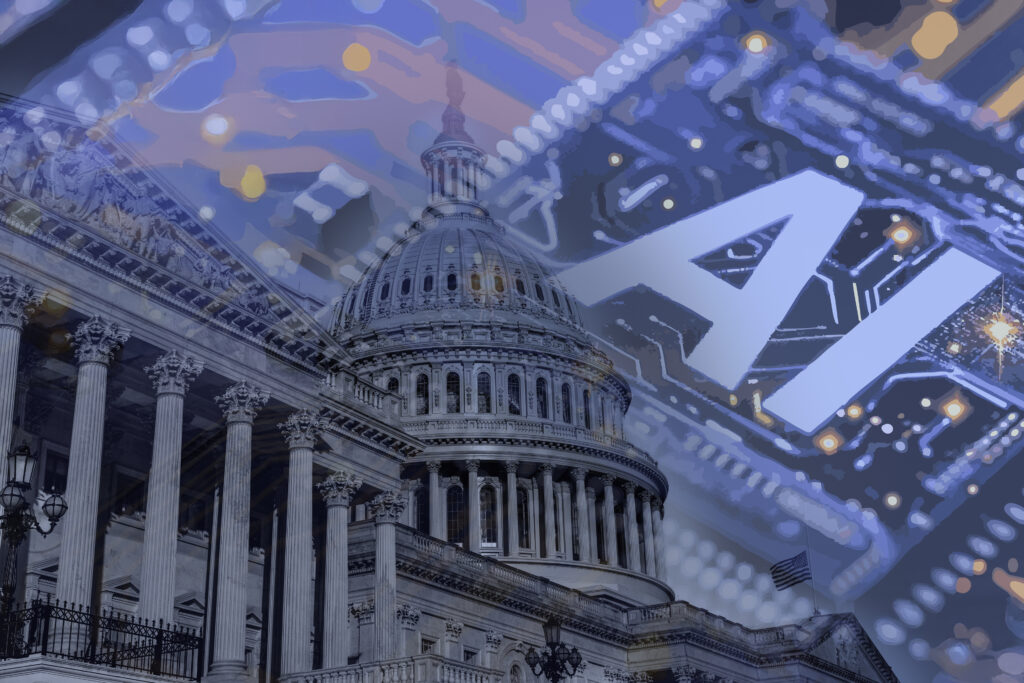
Artificial Intelligence (AI) and other emerging technologies, such as blockchain, IoT, quantum computing, and biotechnology, are not just reshaping industries and societies but also offering a beacon of hope. These innovations bring immense potential to solve complex problems, drive efficiency, and enhance the quality of life. However, they also raise critical questions about ethics, privacy, security, and accountability. The challenge lies in ensuring that these technologies are developed and deployed responsibly, balancing innovation with societal values and public trust. This is where governance frameworks come into play, providing guidelines, policies, and regulations to manage the development and use of these technologies. In this blog, we’ll explore the importance of governance for AI and other emerging technologies, the challenges it addresses, and strategies for building robust governance frameworks to foster responsible innovation. Why Governance of Emerging Technologies Matters 1. Ethical Considerations Emerging technologies, particularly AI, often raise significant ethical implications. Without robust governance, technologies can lead to unintended consequences such as bias in AI systems, misuse of data, or decisions that harm vulnerable populations. Governance ensures that ethical principles such as fairness, transparency, and accountability are upheld. 2. Mitigating Risks Emerging technologies introduce new risks, including security vulnerabilities, privacy violations, and the potential for misuse. However, governance frameworks play a crucial role in mitigating these risks by establishing standards and best practices for secure development and deployment, thereby providing a sense of reassurance. 3. Building Trust Public trust is essential for the widespread adoption of emerging technologies. Governance frameworks create transparency, demonstrating that developers and organizations prioritize user safety, privacy, and ethical behavior. 4. Ensuring Compliance and Regulation Many sectors, such as healthcare, finance, and defense, are heavily regulated. Governance frameworks ensure that emerging technologies comply with industry-specific regulations and legal requirements, minimizing the risk of fines and legal challenges. 5. Supporting Sustainable Innovation By providing guidelines and accountability mechanisms, governance frameworks help ensure that emerging technologies contribute to long-term societal and economic goals without causing harm or exacerbating inequality. Key Challenges in Governing Emerging Technologies 1. Rapid Pace of Innovation Emerging technologies evolve faster than regulatory frameworks can keep up. Policymakers often struggle to create rules that are flexible enough to accommodate future advancements while addressing present risks. 2. Global Scope Technologies like AI and blockchain operate across borders, raising questions about jurisdiction and enforcement. Coordinating governance efforts on a global scale is a significant challenge. 3. Ethical Ambiguity What is considered ethical or acceptable varies across cultures, industries, and stakeholder groups. Defining universal ethical standards for technologies like AI is complex and requires nuanced debate. 4. Balancing Regulation and Innovation Over-regulation can stifle innovation, while under-regulation leaves room for misuse. Striking the right balance between fostering innovation and ensuring safety is a delicate task. 5. Accountability and Liability Determining responsibility when emerging technologies fail or cause harm can be difficult, especially in cases involving autonomous systems or complex algorithms. Principles for Governing AI and Emerging Technologies Effective governance frameworks should be guided by principles that prioritize ethics, security, and inclusivity. Here are some key principles: 1. Transparency 2. Fairness and Inclusivity 3. Accountability 4. Security and Privacy 5. Adaptability Strategies for Building Governance Frameworks 1. Multi-Stakeholder Collaboration 2. Develop Ethical Guidelines 3. Implement Regulatory Sandboxes 4. Invest in Education and Awareness 5. Use Standards and Certifications 6. Leverage Technology for Governance Examples of Governance in Action 1. GDPR (General Data Protection Regulation) 2. OECD AI Principles 3. AI Governance in Healthcare The Future of Governance for Emerging Technologies As emerging technologies continue to evolve, governance frameworks must adapt to address new challenges. Here are some trends to watch: The future of governance will require a delicate balance between fostering innovation, protecting public interests, and ensuring equitable access to technology. Conclusion The governance of AI and other emerging technologies is critical to unlocking their full potential while minimizing risks. By establishing robust frameworks that prioritize ethics, security, and inclusivity, we can ensure that these technologies drive positive change for society as a whole. The task ahead is complex, but with collaboration, transparency, and a commitment to responsible innovation, we can navigate the challenges of the digital age and create a future where technology works for everyone. Are you ready to embrace governance as a cornerstone of your approach to emerging technologies? AccessIT can help you balance innovation and responsibility by implementing Governance of AI and Other Emerging Technologies into your processes. Let’s build a safer, more ethical, and sustainable future together.
AI: Protecting end users from themselves.

Every once in a while there is a product or technology that comes out that is a complete game changer not only for organizations, but society as a whole. The advent of AI is not new, but the adoption of large language models has exploded over the past seven years, giving everyday people the ability to understand complex topics and even assist with intricate engineering deployments. When used correctly, these tools can help you achieve your goals with nothing more than words on a screen and iterative prompts. If you equate your organization to a mission then one thing should always be top of mind, “This mission is too important for me to allow you to jeopardize it.” AI Guardrails Like any tools that are very useful and help you get your job done, there should be safety precautions taken when using these tools. A carpenter is able to do a job faster with an electric saw. Electric saws speed up the job, but need guardrails for safety. LLM’s are no different. LLM’s need guardrails to serve as an additional protective layer, reducing the risk of harmful or misleading outputs. Potential Risks: Data Privacy- Ensure organization privacy requirements are met by protecting against the leak or disclosure of sensitive corporate information, PII (personal identifiable information), and other secrets. Content Moderation- Guarantee that the AI applications being used adhere to your company’s content guardrails, approved usage guidelines, and policies. Align the application’s output with its intended use and block attempts to divulge information that could damage your organization reputation. General risks- Safeguard the applications integrity and performance by preventing misuse, ensuring secure data management, and employing a range of standard tools and proactive measures, such as detecting and blocking insecure code handling or blocking unwanted URL’s in prompts and responses. Guardrails and AITG: If you haven’t adopted the use of AI in your organization or have fear of enabling your workforce to use AI, you’re not alone. AITG works with organizations to help protect, identify and manage risks associated with LLM-based Applications. This old way of blocking URL’s or app-id’s to stop access is just that,old. At AITG, security remains the foundation of our approach, guiding how we secure and manage AI systems. Let us help make your organization and team work more efficiently by enabling them to use AI the right way, securely and responsibly.