


Defending Against and Responding to Ransomware Attacks: A Comprehensive Guide
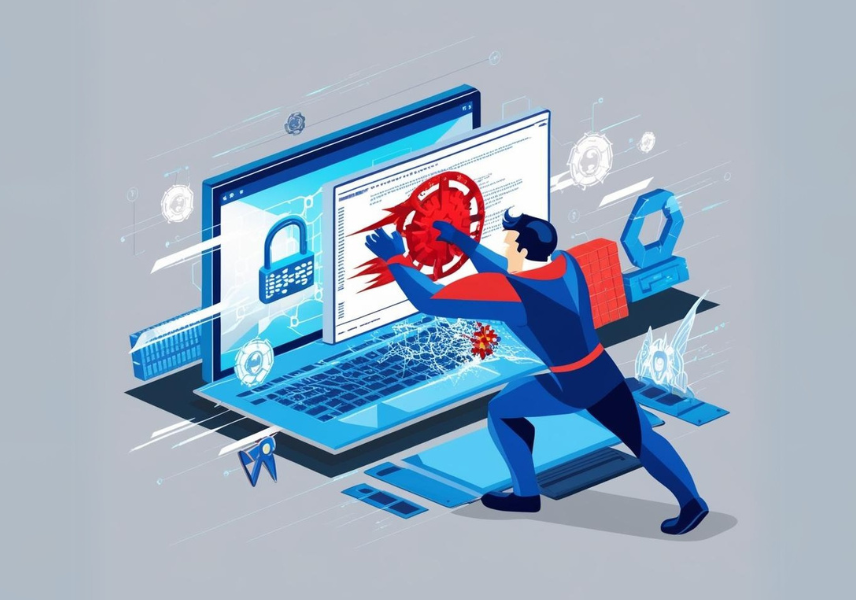
Ransomware is a pervasive and evolving threat in today’s digital landscape. It doesn’t discriminate—individuals, small businesses, and even global enterprises have found themselves at the mercy of malicious actors demanding payment for locked files. However, with the invaluable insights provided in this guide, you can significantly reduce your risk of becoming a victim and ensure a swift, effective response if an attack occurs. This guide is a powerful tool to help protect your digital assets and fortify your resilience against ransomware. What is Ransomware, and Why is it a Critical Threat? Ransomware is malware that encrypts files or locks users out of their systems until a ransom is paid, typically in cryptocurrency. These attacks exploit vulnerabilities, human error, and outdated security measures. The impact can range from lost productivity and reputational damage to severe financial loss, with some organizations forced to shut down entirely. Ransomware attacks cost businesses billions globally in 2023 alone. Attackers are becoming increasingly sophisticated and targeting critical infrastructure, healthcare systems, and financial institutions. Given the stakes, it’s imperative to implement both preventive measures and robust response protocols. Strengthening Your Defenses: Building an Impenetrable Wall Against Ransomware Deploy Comprehensive Endpoint Security A robust endpoint protection solution is the foundation of any ransomware defense. Modern antivirus software equipped with advanced threat detection capabilities—such as behavioral analysis and machine learning—can identify and block ransomware before it executes. Actionable Steps: Invest in a reputable endpoint protection platform (EPP) with anti-ransomware features. Enable automatic updates to ensure your security tools remain effective against the latest threats. Keep Systems and Software Updated Outdated software is a goldmine for cybercriminals. Operating systems, applications, and even firmware vulnerabilities can serve as entry points for ransomware. Actionable Steps: Establish a patch management policy to ensure timely updates. Automated tools are used to scan for and apply critical patches. Regularly audit your software inventory to identify unsupported or obsolete applications. Implement Multi-Factor Authentication (MFA) Weak or stolen credentials are among the most common attack vectors for ransomware. MFA adds a layer of protection by requiring users to verify their identity through multiple factors. Actionable Steps: Enable MFA for all user accounts, especially those with administrative privileges. Use app-based authenticators or hardware tokens rather than SMS, which is more vulnerable to interception. Educate and Train Your Team Human error remains a leading cause of ransomware infections. Whether through phishing emails or malicious downloads, users are often the unwitting accomplices in an attack. Actionable Steps: Conduct regular security awareness training. Simulate phishing campaigns to test employee vigilance. Develop a culture of cybersecurity accountability. Back Up Your Data Regularly: This is not just a suggestion; it’s a lifeline in a ransomware attack. If your data is compromised, regular backups can restore operations without paying the ransom, providing a sense of reassurance and preparedness. Backups are your lifeline in a ransomware attack. If your data is compromised, a clean, recent backup can restore operations without paying the ransom. Actionable Steps: Follow the 3-2-1 rule: keep three copies of your data on two different media, with one stored offsite or offline. Test backups periodically to ensure their integrity and accessibility. Encrypt backup data to prevent unauthorized access. Preparing for the Inevitable: Crafting a Ransomware Response Plan Even the best defenses can fail. An effective response plan minimizes downtime, mitigates damage, and accelerates recovery. Develop and Test an Incident Response Plan (IRP) An IRP outlines the steps to take during a cybersecurity incident. It ensures a coordinated, efficient response under pressure. Critical Elements of an IRP: Detection and Containment: Establish procedures for identifying and isolating infected systems. Communication Protocols: Designate who communicates with internal teams, stakeholders, and external parties, such as law enforcement. Recovery Steps: Define methods for restoring systems and data, prioritizing mission-critical operations. Assemble a Response Team A well-prepared response team includes IT, legal, communications, and leadership representatives. Their roles should be clearly defined in the IRP. Actionable Steps: Assign responsibilities for detection, containment, recovery, and reporting. Train team members regularly to ensure readiness. Conduct Tabletop Exercises Simulated scenarios allow your team to practice their response and identify gaps in the IRP. Actionable Steps: Create realistic ransomware scenarios tailored to your organization. Evaluate team performance and refine the IRP based on lessons learned. Responding to an Active Ransomware Attack: Swift Actions to Mitigate Impact When ransomware strikes, the first few minutes and hours are critical. A decisive, coordinated response can prevent further damage and expedite recovery. Isolate Infected Systems Immediately Disconnect affected devices from the network to contain the ransomware and stop it from spreading to other systems. Actionable Steps: Physically unplug Ethernet cables or disable Wi-Fi on infected devices. Disable shared drives or network connections accessible from the compromised system. Preserve Evidence for Investigation Document the incident thoroughly to aid in forensic analysis and support legal action if necessary. Actionable Steps: Take screenshots of ransom notes and logs. Avoid rebooting systems, as this may erase critical evidence. Notify Relevant Stakeholders Timely communication is essential to managing the incident and maintaining trust. Actionable Steps: Notify leadership and your internal response team. Inform law enforcement and, if required, regulatory authorities. Communicate transparently with affected customers or partners. Restore Data from Backups If clean backups are available, use them to restore compromised systems. Ensure the ransomware is eradicated before reintegrating systems into the network. Actionable Steps: Verify that backups are clean and unaffected by the ransomware. Restore data systematically, prioritizing critical operations. Post-Incident: Lessons Learned and Long-Term Resilience Ransomware incidents can catalyze and strengthen your organization’s cybersecurity posture. Conduct a Post-Mortem Analysis Review the incident to identify root causes, vulnerabilities, and areas for improvement. Actionable Steps: Analyze how the ransomware entered and spread through your systems. Evaluate the effectiveness of your response plan and make necessary adjustments. Update Policies and Procedures Use insights from the incident to refine your security policies, training programs, and technological defenses. Actionable Steps: Enhance access controls and network segmentation. Incorporate lessons learned into future training sessions. Monitor and Audit Regularly Continuous monitoring and auditing can help
Navigating the Digital Minefield: Critical Cybersecurity Threats in 2024

As we kick off cybersecurity awareness month, what better time to take a look back at the threats in 2024? In today’s rapidly evolving digital landscape, staying informed about emerging cybersecurity threats is crucial for both individuals and organizations. As we progress through 2024, the complexity and frequency of cyber attacks continue to escalate, presenting new challenges for security professionals and everyday users alike. This comprehensive overview will explore the most significant cybersecurity threats of the year, providing you with essential knowledge to protect your digital assets. The Evolution of Ransomware: Double Extortion Tactics Ransomware attacks have undergone a significant transformation, giving rise to what security experts term “double extortion” tactics. This advanced form of attack not only encrypts victims’ data but also threatens to leak sensitive information if demands are not met. The dual-threat puts immense pressure on victims, as the potential reputational damage from leaked data can far outweigh the ransom itself. Recent incidents have targeted critical infrastructure, healthcare institutions, and large corporations, causing widespread disruption and substantial financial losses. The increasing sophistication of these attacks and their potential for severe consequences make ransomware one of the most pressing cybersecurity concerns of 2024. AI-Powered Attacks: The New Frontier of Cyber Threats Artificial Intelligence (AI) has emerged as a double-edged sword in the cybersecurity realm. While it enhances defensive capabilities, it also empowers attackers with unprecedented tools and techniques. One of the most alarming trends is the use of deepfakes in social engineering attacks. These hyper-realistic video and audio manipulations can be used to impersonate executives or trusted figures, potentially leading to unauthorized access or financial fraud. Furthermore, AI is being utilized to generate sophisticated malware that can evade traditional detection methods. These AI-generated threats can adapt to their environment, making them particularly challenging to identify and neutralize. Additionally, machine learning algorithms are being employed to automate the discovery of software vulnerabilities, potentially outpacing human efforts to patch and secure systems. Supply Chain Vulnerabilities: The Ripple Effect of Compromised Trust Supply chain attacks have emerged as a major concern in 2024, with several high-profile incidents making headlines. These attacks target less secure elements in a supply chain to compromise a larger, more valuable target. By infiltrating a single supplier, attackers can potentially gain access to numerous organizations downstream. Recent cases have demonstrated the far-reaching consequences of such attacks, affecting not only the primary targets but also their customers and partners. The ripple effects can be felt across industries, eroding trust and forcing companies to reevaluate their relationships with suppliers and third-party vendors. Cloud Security Challenges: Navigating the Complexities of Distributed Systems As businesses continue to migrate to the cloud, new security challenges have arisen. Misconfigurations in cloud environments remain a leading cause of data breaches, often resulting from a lack of understanding of the shared responsibility model between cloud providers and customers. The complexity of managing multi-cloud environments has introduced additional risks, as organizations struggle to maintain consistent security policies across different platforms. Ensuring proper access controls, data encryption, and compliance in these distributed environments has become a significant challenge for many businesses in 2024. IoT Vulnerabilities: The Expanding Attack Surface The Internet of Things (IoT) continues to expand, with billions of connected devices now in use worldwide. This proliferation has dramatically increased the attack surface for cybercriminals. Smart devices, industrial sensors, and other IoT gadgets often lack robust security measures, making them attractive targets for attackers. One of the most significant threats stemming from IoT vulnerabilities is the creation of massive botnets, which can be used to launch devastating Distributed Denial of Service (DDoS) attacks. Additionally, compromised IoT devices can serve as entry points into larger networks, potentially exposing sensitive data or critical infrastructure to malicious actors. Zero-Day Exploits: The Race Against Time Zero-day exploits, which target previously unknown vulnerabilities in software or systems, have seen a notable increase in 2024. These attacks are particularly dangerous because they exploit security flaws before developers have had the opportunity to create and distribute patches. The rise in zero-day discoveries has been attributed to several factors, including more sophisticated hacking tools, a growing market for exploit sales, and the increasing complexity of software systems. For businesses and individuals alike, the threat of zero-day attacks underscores the importance of robust security practices, including regular updates, network segmentation, and advanced threat detection systems. Empowering Digital Resilience As we navigate the complex cybersecurity landscape of 2024, staying informed about the latest threats is more crucial than ever. From the evolution of ransomware and AI-powered attacks to the challenges posed by supply chain vulnerabilities and IoT devices, the risks are diverse and ever-changing. To protect yourself and your organization, it’s essential to adopt a proactive approach to cybersecurity. This includes implementing strong security policies, regularly updating and patching systems, educating employees about potential threats, and investing in advanced security solutions. Remember, cybersecurity is not just an IT issue, it’s a critical aspect of overall business strategy and personal digital hygiene. By staying vigilant and taking appropriate precautions, we can collectively work towards a safer digital future. Take action today: Assess your current security measures, stay informed about emerging threats, and don’t hesitate to seek expert advice when needed. In the ever-evolving world of cybersecurity, knowledge and preparation are your best defenses. By: Chad Barr – Director of Governance, Risk & Compliance – CISSP | CCSP | CISA | CDPSE | QSA
The Dual Role of AI in Cybersecurity

Artificial Intelligence (AI) stands as a cornerstone of modern technology, revolutionizing industries such as healthcare, finance, and transportation. In cybersecurity, AI offers a double-edged sword: it enhances threat detection and defense mechanisms while also empowering cybercriminals to develop more sophisticated attack strategies. This post delves into the dual role of AI in cybersecurity, exploring its benefits and potential dangers. The Growing Importance of AI in Cybersecurity As cybersecurity threats become more complex and frequent, traditional defense mechanisms often fall short. AI, with its ability to process vast amounts of data and identify patterns, emerges as a powerful tool in the cybersecurity arsenal. From automating threat detection to enhancing incident response, AI’s contributions are transformative. However, the same attributes that make AI a powerful defender also enable it to be a formidable adversary, as cybercriminals increasingly use AI to launch sophisticated attacks. Enhancing Cybersecurity with AI Automated Threat Detection AI’s ability to automate threat detection is one of its most significant contributions to cybersecurity. Unlike traditional methods that rely on signature-based systems requiring prior knowledge of threats, AI can detect anomalies and potential threats without pre-existing signatures. Machine learning algorithms analyze vast amounts of data to identify patterns indicative of malicious activity. For instance, AI can analyze network traffic to detect unusual patterns that may indicate a Distributed Denial of Service (DDoS) attack. Incident Response and Recovery AI extends its role beyond threat detection to incident response and recovery. Automated response systems can take immediate action when a threat is detected, significantly reducing the time it takes to mitigate the impact of an attack. AI can isolate affected systems, block malicious traffic, and initiate recovery protocols without human intervention. This automated approach enhances the efficiency of incident response and allows cybersecurity professionals to focus on more complex tasks. Behavioral Analytics AI excels in behavioral analytics by continuously monitoring user behavior to establish a baseline of normal activity and detect deviations that may indicate a security threat. This capability is particularly valuable in identifying insider threats. AI can detect subtle changes in user behavior that might go unnoticed by traditional security measures, enabling organizations to address potential threats before they escalate. Advantages of AI in Cybersecurity AI’s contributions to cybersecurity offer several advantages: Real-time Threat Detection and Response: AI systems can detect and respond to threats in real time, significantly reducing the window of opportunity for attackers. Improved Accuracy: AI minimizes human error, a common vulnerability in traditional security measures. Scalability: AI can handle vast amounts of data, making it suitable for large organizations with complex IT infrastructures. Continuous Improvement: AI learns and adapts over time, ensuring that defense mechanisms remain effective against evolving threats. The Dark Side of AI in Cybersecurity AI-Powered Attacks AI also equips cybercriminals with new tools to enhance their attack strategies. AI-powered attacks, such as the use of AI in malware creation, represent a growing concern. AI-driven malware can adapt its behavior to evade detection, making it more challenging to identify and neutralize. AI can also automate phishing attacks, generating highly convincing emails tailored to the recipient’s behavior. Adversarial Machine Learning Adversarial machine learning poses a significant threat, where attackers manipulate AI systems to achieve malicious objectives. Techniques like data poisoning involve introducing malicious data into AI models’ training datasets, causing incorrect predictions or classifications. For instance, an attacker could poison the training data of a facial recognition system, leading it to misidentify individuals or grant unauthorized access. Deepfakes and Social Engineering AI’s capabilities in generating realistic content have given rise to deepfakes, synthetic media created using deep learning techniques. Deepfakes can convincingly replicate individuals’ appearance and voice, making them a powerful tool for social engineering attacks. Cybercriminals can use deepfakes to impersonate executives, tricking employees into divulging sensitive information or authorizing fraudulent transactions. Challenges and Risks of AI in Cybersecurity Unpredictability and Transparency AI systems, especially those based on deep learning, often operate as “black boxes,” making it difficult to understand how they arrive at their decisions. This lack of transparency can be problematic in identifying and addressing vulnerabilities within AI systems. Bias and Ethical Concerns AI systems may inadvertently introduce biases or make incorrect decisions, leading to unintended consequences. For instance, an AI system trained on biased data may unfairly target certain individuals or groups. The rapid pace of AI development also outstrips regulatory frameworks’ ability to keep up, resulting in a landscape where the legal and ethical implications of AI use are not fully addressed. Case Studies: AI in Cybersecurity Successful Uses of AI Darktrace: Darktrace’s AI-driven platform, the Enterprise Immune System, uses machine learning to detect and respond to threats in real-time. By analyzing network traffic and user behavior, Darktrace’s AI can identify anomalies indicative of cyberattacks and take immediate action to mitigate risks. Cylance: Cylance’s AI-based antivirus solution uses machine learning to detect and block malware before it executes. Cylance’s AI models are trained on a vast dataset of known malware and benign files, enabling it to accurately classify new and unknown threats. AI Exploited by Cybercriminals Emotet Malware: Emotet uses AI algorithms to analyze and adapt to victims’ behavior, allowing it to spread more effectively and evade detection. By mimicking legitimate network traffic and email communications, Emotet can bypass traditional security measures. Deepfake Phishing Attack: Cybercriminals used deepfake technology to impersonate a CEO’s voice in a phone call, successfully tricking an executive into transferring $243,000 to a fraudulent account. This case highlights the potential of AI-driven social engineering attacks. Ethical and Legal Considerations Privacy Concerns AI in cybersecurity raises significant privacy concerns. AI systems often require access to large amounts of data, including sensitive personal information. Balancing security and privacy requires careful consideration of data collection and usage practices. Regulation and Compliance Existing laws and regulations related to AI in cybersecurity are often fragmented and lagging behind technological advancements. Developing comprehensive regulatory frameworks specifically addressing AI in cybersecurity is necessary to provide clear guidelines for organizations and ensure accountability. Accountability in AI Decision-Making Determining accountability for AI-driven decisions is critical.
The Shimmering Threat: Safeguarding Your Business from Modern Credit Card Fraud

The landscape of credit card fraud is constantly evolving, with criminals devising increasingly sophisticated methods to steal customer financial information. For merchants, these evolving threats pose a significant challenge, demanding a proactive approach to data security. Two particularly concerning methods are credit card skimming and shimmering, both capable of compromising sensitive information and eroding customer trust. This post delves into the world of credit card skimmers and shimmers, outlining their threats and the measures merchants can take to fortify their defenses. By understanding these evolving threats and implementing robust security protocols, businesses can significantly reduce their vulnerability to credit card fraud and maintain a secure payment environment for their customers. Skimmers vs. Shimmers: Understanding the Devices Skimmers: These are physical attachments typically installed over the card reader slot of ATMs, gas pumps, or point-of-sale terminals. Their primary function is to capture the magnetic stripe data on the back of your card when inserted. With the widespread adoption of EMV chip technology, skimmer use is on the decline, as they are unable to steal chip data. Shimmers: These electronic devices are far more sophisticated than skimmers. These wafer-thin devices are inserted inside the card reader itself, targeting the data contained within the EMV chip, the supposedly more secure alternative to the magnetic stripe. The stolen data can then be wirelessly transmitted to a nearby device controlled by the criminal. While neither skimmers nor shimmers can steal a customer’s PIN, the information they capture can be used to create counterfeit cards for fraudulent transactions. A data breach of this nature can have a devastating impact on your business, leading to financial losses, chargebacks, and a damaged reputation. Furthermore, the knowledge that their financial information may have been compromised can severely erode customer trust, potentially impacting future sales. PCI DSS Compliance: Your First Line of Defense The Payment Card Industry Data Security Standard (PCI DSS) is a set of comprehensive requirements designed to ensure the secure handling of cardholder information. Compliance with PCI DSS is mandatory for all merchants that accept credit card payments. Requirement 9 of PCI DSS specifically focuses on safeguarding card readers from tampering. One of the key provisions within PCI DSS requirement 9.5.1.2.1 mandates the use of anti-tamper devices (ATDs) on all point-of-sale terminals. ATDs are designed to detect any unauthorized modifications to the card reader, including the installation of a skimmer or shimmer. By employing ATDs, merchants can significantly reduce their vulnerability to physical tampering. Beyond ATDs: A Layered Approach to Security While ATDs are a crucial element of your security strategy, a layered approach is essential to combat skimming and shimmering truly. Here are some additional security measures recommended by PCI DSS and industry experts: Regular Inspections: Conduct thorough visual inspections of your point-of-sale terminals to check for signs of tampering. Look for loose components, glue residue, or scratches around the card reader slot. Documenting these inspections is also a good practice. Tamper-evident Seals: Utilize tamper-evident seals on card readers for an extra layer of security. These seals leave a visible mark if the device is tampered with, alerting you to potential security breaches. Software Updates: Maintain up-to-date software on point-of-sale terminals to patch vulnerabilities that criminals might exploit. Promptly install all recommended software updates from your terminal providers. Employee Training: Empower your employees with the knowledge to identify suspicious activity. Training programs should educate staff on how to spot skimmers and shimmers, and what procedures to follow if they suspect a device has been tampered with. This should include clear guidelines on what to do if a customer reports a potential skimming attempt. Promote Contactless Payments: Whenever possible, encourage customers to use contactless payment options like tap-to-pay. These methods do not require inserting the card into the reader, reducing the vulnerability to skimming devices. According to Chargebacks911, stolen data from shimmers can still be used to create counterfeit magnetic stripe cards. While chip technology provides an extra layer of security, remaining vigilant and implementing these additional security measures is crucial for merchants. By adhering to PCI DSS requirements and adopting a comprehensive security approach, merchants can significantly bolster their defenses against credit card skimming and shimmering. Remember, protecting customer financial information isn’t just about compliance; it’s about building trust and fostering long-term customer loyalty. By demonstrating a commitment to data security, you can create a secure payment environment that reassures your customers and helps your business thrive. AccessIT can help you to understand how to protect your company from these threats, our team of QSA’s understand the new PCI DSS requirements and help you to navigate these and get you compliant. By: Chad Barr – Director of Governance, Risk & Compliance – CISSP | CCSP | CISA | CDPSE | QSA
CDK Cyberattack: Rebuilding Operations, Ransom Rumors, and Forging a More Secure Automotive Landscape

The cyberattack on CDK Global, a cornerstone of the automotive industry’s software infrastructure, continues to cast a long shadow over North American car dealerships. Launched on June 19th, the attack forced CDK to shut down critical systems, bringing sales, service, and overall dealership operations to a screeching halt. While CDK has initiated recovery efforts, dealerships are still struggling to regain normalcy, with many resorting to manual processes in a desperate attempt to keep business afloat. This incident serves as a stark reminder of the heightened cybersecurity risks lurking within the automotive industry, particularly for dealerships that have become increasingly reliant on digital tools for day-to-day operations. The Looming Shadow of Ransomware: Customer Data Security Concerns As the initial shock subsides, unsettling details are emerging. Reports suggest the attack may have been a ransomware event, raising significant concerns about the security of sensitive customer data. CBS News reports that CDK is reportedly negotiating a ransom demand in the tens of millions of dollars with the attackers. This development adds another layer of complexity to the situation. If the attack compromised customer data, such as names, addresses, Social Security numbers, or credit card information, the consequences could be severe, potentially leading to identity theft and financial fraud. A Call for Transparency: The National Automobile Dealers Association and Beyond The scope of the attack remains shrouded in uncertainty. Details on the attackers’ identity, motives, and the extent of a potential data breach are still unknown. This lack of transparency has understandably caused anxiety among dealerships seeking answers. The National Automobile Dealers Association (NADA) has rightfully stepped up, demanding more information from CDK. Both dealerships and potentially affected customers deserve clear and concise communication regarding the attack’s nature, potential data security impact, and the steps being taken to address the situation. A Cybersecurity Wake-Up Call: Strengthening Defenses in the Automotive Industry The CDK attack serves as a stark reminder of the evolving cybersecurity threats facing the automotive industry. As dealerships become increasingly reliant on digital tools for managing sales, inventory, service, and customer data, their vulnerability to cyberattacks also rises. While we do not know the details of this attack yet, this incident underscores the need for robust cybersecurity measures within dealerships, including: Regular Software Updates: Maintaining up-to-date software on all devices and systems is crucial for patching known vulnerabilities that attackers can exploit. Vulnerability Assessments: Regularly scanning systems for vulnerabilities allows dealerships to identify and address potential weaknesses before they can be weaponized by attackers. Employee Training: Educating employees on data security best practices, including phishing awareness and password hygiene, is essential for creating a human firewall against social engineering attacks. Cyber Resilience and Recovery Planning: Developing comprehensive strategies and protocols is essential for ensuring a dealership’s ability to withstand and swiftly recover from cyberattacks. These plans encompass proactive measures for risk assessment, threat detection, and mitigation, as well as procedures for responding to incidents, restoring critical operations, and minimizing downtime. Proactive data protection is no longer optional but a critical business necessity in today’s digital landscape. Looking Ahead: Transparency, Recovery, and Collective Action The coming days will be crucial in determining the full impact of the attack and the path forward for CDK and the dealerships they serve. Prioritizing clear communication with dealerships and potentially affected customers is essential for CDK. This includes providing regular updates on: The restoration process The status of ransom negotiations (if applicable) Any ongoing investigations Rebuilding trust takes time, and transparency will be key in that process. Beyond immediate recovery efforts, the automotive industry as a whole needs to prioritize cybersecurity. This attack is likely just one instance of a growing trend. Industry leaders, software providers like CDK, and individual dealerships all need to collaborate on implementing comprehensive cybersecurity strategies that can withstand increasingly sophisticated cyberattacks. Ultimately, the goal should be to prevent similar disruptions in the future and protect the sensitive data entrusted to them by their customers. However, the responsibility doesn’t end there. Law enforcement agencies need to work alongside cybersecurity experts to investigate the attack, identify the perpetrators, and bring them to justice. This collaborative effort will send a strong message to potential attackers, deterring future attempts and creating a safer digital environment for the entire automotive industry. The CDK attack may have brought dealerships to their knees, but it can also catalyze positive change, prompting a collective effort to fortify the industry’s cybersecurity defenses and protect customer data. By: Chad Barr – Director of Governance, Risk & Compliance – CISSP | CCSP | CISA | CDPSE | QSA Reach out to learn how AccessIT Group’s Ransomware Preparedness Services can protect your organization and minimize the impact from this type of attack.
PCI DSS Requirement 6.3.1: The Cornerstone of a Robust Compliance Program

For organizations handling cardholder data, achieving and maintaining Payment Card Industry Data Security Standard (PCI DSS) compliance is paramount. Within this framework, Requirement 6.3.1, Vulnerability Identification and Management, stands out as a cornerstone for effective cybersecurity practices. This requirement mandates a systematic approach to identifying and prioritizing vulnerabilities in systems and applications, ensuring the most critical risks are addressed first. This article is the third and final installment in our series on PCI DSS version 4.0 requirement 6.3.1, which focuses on the identification and management of vulnerabilities. As one of the most complex and frequently misunderstood PCI DSS requirements, 6.3.1 significantly influences compliance programs, being referenced in ten other requirements. In parts one and two, we explored the processes for identifying vulnerabilities and ranking risks as outlined in requirement 6.3.1. This article will delve into how requirement 6.3.1 impacts other PCI DSS requirements. The Far-Reaching Impact of Vulnerability Management The impact of Requirement 6.3.1 extends far beyond the vulnerability identification process itself. It serves as the foundation for a comprehensive vulnerability management program, influencing numerous other PCI DSS controls. Here’s a closer look at how a well-defined vulnerability management program, driven by 6.3.1, strengthens other essential controls: Patch Management (Requirement 6.3.3): The risk rankings established through 6.3.1 directly dictate patching urgency. Critical and High-risk vulnerabilities demand patching within one month, while others follow documented policies (typically within three months). Vulnerability Scanning (Requirement 11.3.1): Regular vulnerability scans identify potential weaknesses. The risk ranking process outlined in 6.3.1 then prioritizes remediation efforts. Critical or High-risk vulnerabilities with available patches necessitate patching within a month (as dictated by 6.3.3). If no patch exists, documented remediation plans become crucial. Penetration Testing (Requirement 11.4.4): Penetration tests uncover vulnerabilities within your systems. The 6.3.1 risk ranking system again plays a vital role in prioritizing remediation. Findings deemed high-risk should be addressed promptly, adhering to the patching timelines established in 6.3.3. Software Development Practices (Requirement 6.2.4): Secure coding practices are essential to prevent vulnerabilities from being introduced in the first place. Requirement 6.2.4 leverages the insights from 6.3.1 by incorporating newly identified high-risk vulnerabilities into development standards. This proactive approach strengthens the overall security posture of your applications. A Comprehensive Security Approach The influence of Requirement 6.3.1 extends beyond these core controls: Web Application Security (Requirements 6.4.1/6.4.2): Web application assessments or automated solutions (depending on the PCI DSS version) identify vulnerabilities. These vulnerabilities are then risk-ranked using the framework established in 6.3.1 and remediated based on the corresponding timeframes. Configuration Management (Requirement 2.2.1): Configuration standards are updated based on the vulnerabilities identified through the 6.3.1 process. This ensures your systems are configured appropriately to mitigate these identified risks. Malware Protection (Requirement 5.2.3): Periodic reviews assess if previously low-risk systems now require malware protection. Information gleaned from the 6.3.1 vulnerability identification process helps organizations stay current on evolving malware threats. Time Synchronization (Requirement 10.6.1): Time synchronization systems are patched and managed following the guidelines outlined in 6.3.1 and 6.3.3, further emphasizing the importance of a comprehensive vulnerability management strategy. Ensuring No System is Left Behind The 6.3.1 process ensures that all in-scope components are evaluated for vulnerabilities. This includes often-overlooked systems such as NTP servers, DNS servers, and network UPS devices, ensuring a holistic approach to security. Conclusion: Building a Secure Foundation Requirement 6.3.1 plays a pivotal role in achieving and maintaining PCI DSS compliance. By prioritizing vulnerability identification and risk ranking, organizations establish a robust foundation for a comprehensive cybersecurity program. This program, in turn, strengthens compliance efforts across all other PCI DSS controls. Remember, a strong vulnerability management program is the cornerstone of a secure IT environment, safeguarding cardholder data and mitigating security risks. By: Chad Barr – Director of Governance, Risk & Compliance – CISSP | CCSP | CISA | CDPSE | QSA If you have any questions about PCI DSS compliance for your business, please feel free to contact us.
Navigating Risk Ranking for Robust PCI DSS Compliance

In this in-depth exploration, we delve deeper into the multifaceted realm of PCI DSS version 4.0 requirement 6.3.1, focusing on the nuanced intricacies of risk ranking. Often misunderstood yet fundamentally critical, this requirement serves as a cornerstone in compliance endeavors, resonating across a myriad of PCI DSS stipulations. Recapitulation of Part One Before we embark on dissecting the finer nuances of risk ranking, let’s briefly recapitulate the foundational insights garnered in part one of this comprehensive series. Part one meticulously elucidated the vulnerability identification process, an indispensable facet of requirement 6.3.1, setting the groundwork for a comprehensive understanding of its risk ranking component. Diving into the Risk Ranking Process As organizations traverse the labyrinthine landscape of cybersecurity, navigating the myriad vulnerabilities lurking within their software infrastructure, the imperative of prioritizing remedial actions looms large. At the heart of this endeavor lies PCI DSS requirement 6.3.1, mandating the implementation of a robust risk ranking system to guide vulnerability mitigation strategies. However, the onus of defining the specifics of this risk-ranking approach rests squarely on the shoulders of each organization. Central to this process is the indispensable Common Vulnerability Scoring System (CVSS), a pivotal tool for quantifying the severity of vulnerabilities. Leveraging the CVSS framework, vulnerabilities adorned with a Common Vulnerabilities and Exposures (CVE) number in the National Vulnerability Database (NVD) are assigned scores on a scale of 0 to 10, delineating the exploit difficulty and potential impact. While many organizations opt to anchor their risk-ranking endeavors solely on CVSS scores, this approach is not without its pitfalls. A glaring limitation arises from the fact that not all vulnerabilities are bestowed with CVSS scores, particularly those ensconced within bespoke or custom software. Consequently, organizations tethered to a CVSS-centric paradigm find themselves at a crossroads, compelled to either compute scores for unscored vulnerabilities or chart a course toward devising alternative ranking criteria. Moreover, the inadequacies of a simplistic CVSS-based system are further exacerbated by its failure to encapsulate the idiosyncrasies of each organizational milieu. This disjuncture is particularly pronounced when juxtaposed with compliance mandates such as the exigency to patch critical and high vulnerabilities within a stringent timeframe, compelling organizations to grapple with the quandary of swiftly addressing ostensibly less critical vulnerabilities. Navigating the Challenges of Risk Ranking In light of these challenges, two primary pathways emerge as beacons of hope: 1. Harnessing the CVSS Calculator for Precision: Organizations can leverage the CVSS calculator to incorporate optional metrics, furnishing a nuanced approach while aligning with industry standards. 2. Architecting Custom Risk Ranking Criteria: For those seeking enhanced flexibility, the creation of bespoke ranking criteria untethered from CVSS scores offers a viable alternative. Tailored to the organization’s unique environment and exigencies, this approach epitomizes adaptability and autonomy. Irrespective of the chosen trajectory, the cardinal principle of including ‘high’ and ‘critical’ risk levels remains sacrosanct. Embracing a hierarchical ranking system comprising Critical, High, Medium (or Moderate), Low, and Very Low (or None) serves as a bulwark against security vulnerabilities, with some organizations opting for a truncated four-level hierarchy sans the Very Low rank. Charting the Course: Creating CVSS Scores For organizations entrusting their fate to a CVSS-based framework, the path forward entails harnessing the CVSS calculator to derive scores for unscored vulnerabilities. Aligning with the NVD’s scoring rubric, preferably CVSS version 3.1, lays the foundation for a robust risk assessment framework, with version 4.0 poised for adoption upon the NVD’s transition. The CVSS scoring journey commences with the meticulous fulfillment of Base Score Metrics, complemented by an optional foray into Temporal Score Metrics. Drawing insights from available vulnerability data, organizations navigate through the intricacies of exploit complexity and potential impact, anchoring their assessments on a bedrock of precision and diligence. Navigating the Terrain: Environmental Adjustments to CVSS Scores Tailoring CVSS scores to bespoke organizational milieus is facilitated through the Environmental Score section of the CVSS calculator. Herein lies the crucible where organizations meld original metrics with environmental nuances, refining scores with surgical precision to reflect the intricacies of their unique ecosystems. A matrix can be used to assign initial risk rankings based on likelihood and impact: The initial risk of the vulnerability would be Medium, based on the intersection of Medium likelihood and High impact. Another matrix can be used to adjust the risk rankings based on the criticality of the affected components: Using this matrix, we would adjust our Medium risk vulnerability to High risk due to the high criticality of the system. Taking this a step further, another matrix can be used to arrive at final risk rankings when taking security controls and other mitigating factors into consideration: Our final risk ranking would be High due to the Low mitigation of this vulnerability. These scales and matrices are suggestions, and organizations should change them to determine and weigh impact, likelihood, component criticality, and mitigating factors based on their environment and risk tolerance. CVSS version 3.1 Environmental Score Metrics serves as the linchpin, intricately modifying Base Score Metrics to encapsulate the holistic panorama of system vulnerabilities. Impact Subscore Modifiers complement this endeavor, providing a nuanced lens through which confidentiality, integrity, and availability requisites are meticulously calibrated. Forging New Paths: Crafting Custom Risk Ranking Criteria For organizations harboring aspirations of unparalleled flexibility and autonomy, the journey towards crafting custom risk ranking criteria beckons. Embarking on this odyssey, organizations weave a tapestry of criteria anchored in established risk assessment methodologies, forging a pathway that reflects the ethos of industry best practices while retaining a semblance of organizational uniqueness. The architecture of this bespoke framework hinges on a comprehensive synthesis of likelihood, impact, system criticality, and mitigating factors. Matrices emerge as indispensable aides, guiding organizations through the labyrinthine maze of vulnerability assessments, and ensuring that risk rankings resonate with the veritable pulse of organizational exigencies. Documenting the Voyage: Imperatives of Comprehensive Documentation As organizations navigate the tumultuous waters of risk ranking, meticulous documentation emerges as the lodestar guiding their voyage. A detailed procedure meticulously delineates the step-by-step process, serving as a beacon of light amidst the
Understanding and Meeting PCI DSS Requirement 6.3.1: Vulnerability Identification

Navigating the complex terrain of PCI DSS (Payment Card Industry Data Security Standard) compliance can often feel like traversing a labyrinth, with each requirement posing its challenges and interpretations. Among these, Requirement 6.3.1 emerges as a pivotal cornerstone, yet it’s frequently misunderstood and undervalued. In PCI DSS version 4.0, Requirement 6.3.1, which revolves around vulnerability identification and management, assumes a central role in shaping an organization’s cybersecurity posture. However, its significance surpasses a mere checkbox exercise; it intricately links with multiple other PCI DSS requirements, influencing how organizations configure systems, develop applications, apply patches, and address the outcomes of vulnerability assessments. A profound understanding of Requirement 6.3.1 empowers organizations to establish a robust and streamlined PCI DSS compliance program. This introductory segment serves as a precursor to a detailed exploration spanning three installments, aiming to demystify this requirement and equip organizations for forthcoming assessments. Let’s embark on a journey to dissect Requirement 6.3.1, commencing with a close examination of its text and the fundamental processes it entails. By delving into the intricacies of vulnerability identification, risk assessment, and compliance documentation, we pave the way for a deeper understanding of this crucial aspect of PCI DSS compliance. Requirement 6.3.1: Unveiling the Essentials Requirement 6.3.1 of PCI DSS version 4.0 lays down the foundation for identifying and managing security vulnerabilities within an organization’s systems. Let’s break down its key components: 1. Identification from Industry-Recognized Sources: New security vulnerabilities must be identified using industry-recognized sources, including alerts from international and national computer emergency response teams (CERTs). 2. Risk Ranking: Vulnerabilities should be assigned a risk ranking based on industry best practices and potential impact. This includes identifying at least all vulnerabilities considered to be high-risk or critical to the environment. 3. Coverage of Various Software Types: The requirement encompasses vulnerabilities for bespoke, custom, and third-party software, such as operating systems and databases. Understanding the requirement’s text sets the stage for developing a comprehensive vulnerability identification process. Let’s delve into the steps organizations should take to meet these criteria effectively. Process for Identifying Vulnerabilities While vulnerability scans and penetration tests remain vital methods for vulnerability detection, Requirement 6.3.1 emphasizes the importance of broadening sources beyond these automated tools. Here’s a breakdown of the process: 1. Comprehend Software Landscape: Gain an understanding of the organization’s software landscape within the PCI DSS scope, as mandated by requirement 12.5.1, which necessitates an inventory of system components, including software. 2. Compile Information Sources: Establish a roster of suitable vulnerability information sources, including vendor advisories, public security alerts, private information-sharing groups, and paid threat intelligence services. 3. Monitor Vendor Alerts: Subscribe to and actively monitor advisories from relevant vendors, encompassing both open-source projects and commercial software. 4. Leverage Public Security Alerts: Keep abreast of security advisories disseminated through channels like email lists, RSS feeds, and websites, including those from CERTs and the National Vulnerability Database (NVD). 5. Engage in Private Information-Sharing Groups: Participate in private information-sharing groups within the organization’s industry sector to access relevant and timely security insights. 6. Utilize Paid Threat Intelligence: Consider engaging commercial threat intelligence services to gather, assess, and refine vulnerability data, including preemptive alerts for undisclosed vulnerabilities. 7. Address Custom and Bespoke Software: Develop strategies to identify vulnerabilities in custom and bespoke software, leveraging resources such as the OWASP Top Ten and Common Weakness Enumeration (CWE). Documentation of the Program Documentation plays a crucial role in demonstrating compliance with Requirement 6.3.1. Organizations should: 1. Delineate Policies: Define policies detailing the types of vulnerability information sources under surveillance, responsible parties for monitoring, and review frequency. 2. Document Procedures: Document procedures outlining specific sources to monitor, methods for accessing them, and protocols for discerning pertinent information. 3. Maintain Inventories: Maintain inventories of system components, software, bespoke, and custom software, along with third-party components like libraries and APIs, as mandated by requirement 6.3.2. In Conclusion Requirement 6.3.1 mandates a robust vulnerability identification process that extends beyond standard scanning activities. By leveraging diverse information sources and implementing effective procedures, organizations can enhance their compliance efforts and effectively mitigate security risks. Stay tuned for the subsequent installments, where we’ll delve deeper into risk ranking methodologies and the interplay of Requirement 6.3.1 with other PCI DSS requirements. Together, we’ll navigate the intricacies of PCI DSS compliance, ensuring organizations are well-equipped for the challenges ahead. By: Chad Barr – Director of Governance, Risk & Compliance – CISSP | CCSP | CISA | CDPSE | QSA If you have any questions about PCI DSS compliance for your business, please feel free to contact us.
Understanding PCI Compliance

Compliance with PCI DSS is crucial for any organization that stores, processes, and/or transmits credit card information. PCI DSS also applies to any service provider that can affect the security of another organization’s cardholder environment (CDE). Maintaining and managing compliance with PCI DSS can require heavy lifting within an organization, but the right partner can help ease the load. While the number of requirements depends on the payment environment and number of transactions it is important to understand the different levels and how each card brand determines the compliance requirements. History of the PCI DSS The PCI-DSS was conceived in 2004 after five of the largest payment card issuers—Visa, MasterCard, American Express, Discover, and JCB formed a consortium called the Payment Card Industry Security Standards Council (PCI SSC) to tackle the ever-growing issue of card fraud. Instead of burdening merchants with five separate security standards, they decided to pool their resources and create a single, comprehensive standard that all five providers would accept. As the cyber-security landscape has continued to evolve over the years, the PCI-DSS has had to change over time to address new threats and tactics to mitigate fraudsters. Since the initial release of the PCI-DSS 1.0 version in 2004, the standard has undergone several revisions, with the latest version 4.0, released in 2023. Since the most confusion comes from the 4 levels of merchants, this is the one I’m going to focus on. The number of controls depends on the number of transactions processed by the merchant per year. PCI DSS Merchant Levels There are several merchant levels, each with a slightly different list of requirements, and largely determined by the number of transactions processed each year. Why define separate levels in the first place? The payment card industry (PCI) uses merchant levels to determine risk and ascertain the appropriate level of security for their businesses. Specifically, merchant levels determine the amount of assessment and security validation that is required for the merchant to pass the PCI DSS assessment. At a very high level, the PCI DSS merchant levels are as follows: Level 1 – Over 6 million transactions annually Level 2 – Between 1 and 6 million transactions annually Level 3 – Between 20,000 and 1 million transactions annually Level 4 – Less than 20,000 transactions annually While these tiers seem relatively straightforward at first glance, delving deeper, it may be difficult to discern exactly which one your organization falls into because the card issuers each maintain their own table of merchant levels. You’ll find that each one defines their levels a bit differently. Even though the card issuers define their own levels, it’s important to note that Discover, Visa, and Mastercard all use the same general criteria to define theirs, with a few minor differences. Though JCB and American Express have their own versions, it is generally accepted that if you are a level for one provider, you will be considered the same for all, with a few minute exceptions. To view each card issuer’s table of merchant levels, use the links below: Visa Mastercard Discover American Express JCB Taking a closer look, the merchant levels are as follows: Level 1 Criteria: Merchants processing more than 6 million Visa, MasterCard, or Discover transactions annually via any channel. Merchants processing more than 2.5 million American Express transactions annually. Merchants processing more than 1 million JCB transactions annually. Merchants that have suffered a data breach or cyberattack that resulted in cardholder data being compromised. Merchants that have been identified by another card issuer as Level 1 Merchants that the card brands determine should meet the Level 1 merchant requirements to minimize risk to the system. Validation Requirements: Annual Report on Compliance (ROC) by a Qualified Security Assessor (QSA), or Internal Auditor if signed by an officer of the company. The Internal Auditor must be a PCI-certified Internal Security Assessor (ISA). Quarterly network scan by Approved Scan Vendor (ASV) Attestation of Compliance Form Level 2 Criteria: Merchants processing between 1 million and 6 million Visa, Mastercard, or Discover transactions per year via any channel Merchants processing between 50,000 to 2.5 million American Express transactions annually Merchants processing less than 1 million JCB transactions annually Validation Requirements: Annual Self-Assessment Questionnaire (SAQ) completed by an Internal Auditor if signed by an officer of the company or Qualified Security Assessor (QSA). The Internal Auditor must be a PCI-certified Internal Security Assessor (ISA). Quarterly network scan by Approved Scan Vendor (ASV) Attestation of Compliance Form Level 3 Criteria: Merchants processing between 20,000 and 1 million Visa transactions annually Merchants process 20,000 Mastercard transactions annually, but less than or equal to 1 million total Mastercard transactions annually Merchants that process 20,000 to 1 million Discover card-not-present-only transactions annually Less than 50,000 American Express transactions Validation Requirements: Annual Self-Assessment Questionnaire (SAQ) Quarterly network scan by Approved Scan Vendor (ASV) Attestation of Compliance Form Level 4 Criteria: Merchants processing less than 20,000 Visa or Mastercard e-commerce transactions annually All other merchants processing up to 1 million Visa or Mastercard transactions annually Validation Requirements: These largely depend on the requirements of the merchant’s acquiring bank Typically include an SAQ and Quarterly External Scan by ASV Level 3 and Level 4 merchants may alternatively, at their own discretion, engage a PCI SSC-approved QSA for an onsite assessment instead of performing a self-assessment. Visa updated their validation measurements as of January 31, 2017, for small merchants, the full document can be found here. But here are the sections I want to point out. All Level 4 merchants must use only Payment Card Industry (PCI) certified Qualified Integrator and Re-seller (QIR) professional for point-of-sale (POS) application and terminal instantiation and integration. Effective January 31st, 2017, acquirers must ensure Level 4 merchants annually validate PCI DSS compliance or participate in the Technology Innovation Program (TIP). Participation in TIP allows qualifying merchants to discontinue the annual PCI-DSS validation assessment. Note: Single-use terminals without Internet connectivity (dial-up terminals) are considered low-risk and may be excluded from these requirements. One other thing to note here is if you have been breached you will
5 Cybersecurity Trends to Watch in 2024

As the New Year’s celebrations have come and gone, the digital landscape continues its relentless evolution. And just like fashion trends come and go, so too do cyberthreats. To stay ahead of the curve and keep your data safe in the turbulent year ahead, let’s buckle up and explore some key cybersecurity trends to watch in 2024. 1. Rise of the Machines: AI and machine learning, once hailed as saviors, are now increasingly employed by cybercriminals. Expect to see AI-powered malware that autonomously scans for vulnerabilities, deepfakes used to trick unsuspecting victims, and automated ransomware attacks targeting vulnerable endpoints. 2. Mobile Mayhem: Our smartphones are more than just pocket computers; they’re treasure troves of personal data. In 2024, mobile malware will become even more sophisticated, targeting vulnerabilities in popular apps and exploiting zero-day flaws. Be mindful of what you download and keep your apps updated! 3. Cloud Cover: The cloud revolution shows no signs of slowing down, but with increased reliance comes increased risk. API security will become crucial, as attackers exploit loopholes in cloud application interfaces. Prepare for supply chain attacks that target third-party cloud providers to gain access to multiple organizations. 4. Ransomware 2.0: The age of “lock your files, pay the ransom” is evolving. Get ready for double extortion ransomware, where attackers not only encrypt your data but also threaten to leak it publicly. Additionally, targeted ransomware attacks against critical infrastructure, like hospitals and power grids, could become more common. 5. The Human Factor: Social engineering, the oldest trick in the cybercriminal playbook, is still going strong. Expect to see more sophisticated phishing attacks using AI-generated text and personalized details. Remember, the weakest link in any security system is often the human user. Stay vigilant and avoid suspicious emails, texts, and phone calls. Beyond the Threats: A Glimmer of Hope While the cyber landscape may seem bleak, there’s hope on the horizon. Zero-trust security models are gaining traction, emphasizing continuous verification and least-privilege access. Security training is becoming more targeted and effective, educating users about the latest threats. And international collaboration against cybercrime is building momentum. By understanding these trends and taking proactive measures, we can navigate the treacherous waters of cyberspace in 2024 and beyond. So, stay informed, stay vigilant and stay secure! Let’s make 2024 the year we outsmart the hackers and keep our digital lives safe. Remember, cybersecurity is a shared responsibility. Let’s work together to build a more secure and resilient digital future for everyone. By: Chad Barr – Director of Governance, Risk & Compliance – CISSP | CCSP | CISA | CDPSE | QSA AccessIT can help you with services and solutions designed to address these trends. Our specially trained consultants and engineers are ready to help your organization navigate the cybersecurity landscape for 2024.