
Data Security Truths That’ll Change How You Think About Protecting Data (and Maybe Keep You Up at Night)

By Chad Barr, January 14, 2026 / 2:12pm EDT Data Security Truths That’ll Change How You Think About Protecting Data (and Maybe Keep You Up at Night) [Table of Contents] Lorem ipsum Dolor sit amet Consectetur adipiscing elit Vivamus ultricies felis ac tellus viverra, nec molestie orci blandit. Aenean sollicitudin facilisis orci, vitae malesuada tortor tempus eu. Sed eleifend turpis neque. Lorem Ipsum Data is the lifeblood of business innovation, customer engagement, and operational efficiency. Yet, as organizations generate, store, and process unprecedented volumes of data across cloud, SaaS, and on-premises environments, the risks associated with data exposure, misuse, and breaches have never been higher. Traditional security tools, while essential, are increasingly insufficient for managing the sprawling, dynamic, and complex data landscapes of modern enterprises. Enter Data Security Posture Management (DSPM): a proactive category of security solutions designed to provide continuous visibility, automated classification, and real-time monitoring of sensitive data, regardless of where it resides. DSPM is rapidly becoming a cornerstone of modern cybersecurity strategies, enabling organizations to proactively manage data risk, ensure compliance, and empower secure business innovation. This article explores the evolution, core principles, challenges, benefits, and best practices of DSPM, drawing on the latest industry research and real-world adoption trends. The Data Explosion: It’s Not Just Hype, It’s a Full-Blown Crisis Let’s start with the jaw-dropper: Over 90% of all data was created in just the last two years. That’s not a typo. And by the beginning of 2026, we’re staring down the barrel of 181 zettabytes of data. Digital transformation, cloud adoption, IoT, AI, and the proliferation of SaaS applications fuel this explosion. Data is now scattered across on-premises servers, public and private clouds, SaaS platforms, and edge devices. The Expanding Attack Surface As data becomes more distributed, the attack surface expands. Sensitive information, such as customer records, financial data, intellectual property, employee details, and health records, can be found in structured databases, unstructured files, emails, backups, and ephemeral cloud storage. The complexity of tracking, classifying, and securing this data is compounded by: Multi-cloud and hybrid architectures Third-party integrations and supply chain dependencies The rise of non-human identities (bots, AI copilots, IoT devices) Regulatory requirements (GDPR, CCPA, HIPAA, PCI DSS, etc.) Visibility: The Blind Spot Nobody Wants to Admit Here’s the kicker: 83% of organizations admit they lack visibility into their data, making manual methods inadequate and underscoring the need for automated solutions to avoid flying blind. You can never be certain if you don’t have any insights into what data you have, how much of it is regulated, which users or identities can access it, or how it has transformed over time. I found that this isn’t just a technical problem, it’s a trust problem. If you don’t know what you have, how can you protect it? What is Data Security Posture Management (DSPM)? Definition and Scope DSPM is a security discipline and technology category focused on providing continuous, automated visibility into the security posture of sensitive data across all environments, on-premises, cloud, SaaS, and hybrid. It encompasses: Data Discovery: Automatically finding sensitive data wherever it lives Data Classification: Categorizing data by sensitivity, type, and regulatory requirements Real-Time Monitoring: Tracking access, usage, and movement of data Risk Assessment: Identifying exposures, misconfigurations, and policy violations Automated Remediation: Enforcing policies, revoking excessive permissions, and alerting on suspicious activity DSPM is not a replacement for existing security tools such as DLP, SIEM, or CSPM; instead, it integrates seamlessly with them, providing a complementary layer that focuses on the data itself, its location, context, and risk profile. This integration helps security teams leverage their current investments while enhancing data visibility and control. How DSPM Differs from Other Security Tools CSPM (Cloud Security Posture Management): Focuses on cloud infrastructure misconfigurations (e.g., open S3 buckets, insecure IAM roles) SSPM (SaaS Security Posture Management): Focuses on SaaS application configurations and user permissions DLP (Data Loss Prevention): Focuses on preventing data exfiltration, often via endpoint or network controls CSPM, SSPM, and DLP are valuable, but DSPM’s unified, data-centric view can inspire confidence by integrating discovery, classification, monitoring, and risk management into a single workflow. Survey Insights According to the 2024 DSPM Adoption Report published by Cyera: 75% of organizations plan to adopt DSPM by mid-2025, making it the fastest-growing security category. 87% of enterprises find their current data discovery and classification solutions lacking. Only 13% consider their classification tools very effective. Over 60% do not feel confident in their ability to detect and respond to data security exposures. DSPM: Not Just Another Tool, It’s the Nerve Center Forget the patchwork of point solutions. DSPM is a unified, data-centric approach that brings together discovery, classification, monitoring, and risk management in one place. It’s not about adding another dashboard; it’s about finally seeing the whole picture. Automated discovery, contextual classification, real-time monitoring, and risk assessment, DSPM does it all, and then some. I found that this shift isn’t just about technology, it’s about mindset. You stop reacting and start anticipating. Core Components and Features of DSPM Data Discovery Automated, Continuous Scanning: DSPM tools use machine learning and behavioral analysis to automatically find sensitive data across databases, file shares, SaaS apps, and cloud storage. Support for All Data Types: Structured, unstructured, and semi-structured data. Unified Inventory: A single, up-to-date catalog of all sensitive data assets. Data Classification Contextual and Adaptive: Uses AI/ML (including LLMs) to classify data based on content, context, and usage patterns. Customizable Policies: Supports industry- and organization-specific classification schemes. Real-Time Updates: Automatically learns new classifications as data evolves, ensuring the adaptability of DSPM to changing data landscapes. Real-Time Monitoring and Alerting Access Monitoring: Tracks who (human or non-human) accesses what data, when, and how. Anomaly Detection: Flags unusual access patterns, privilege escalations, or data exfiltration attempts. Integration with SIEM/SOAR: Sends alerts and context to existing security operations tools. Risk Assessment and Remediation Exposure Analysis: Identifies overprivileged accounts, misconfigurations, and policy violations. Automated Remediation: Can revoke permissions, quarantine data, or trigger incident response workflows. Compliance Mapping: Maps data assets to regulatory requirements and flags non-compliance. Integration and Scalability Works Across Environments: SaaS, IaaS, PaaS, on-premises, and hybrid. API and Agentless Deployments: Minimize friction and accelerate time-to-value. Seamless Integration: Connects with DLP, IAM, SIEM, GRC, and other security tools. Key Challenges Addressed by DSPM Excessive Data Access and Overprivileged Accounts 57% of organizations cite excessive data access as a top concern. DSPM enforces least privilege and zero trust principles, ensuring only the right people (or systems) have access to the correct data
Governance of AI and Other Emerging Technologies: Balancing Innovation and Responsibility
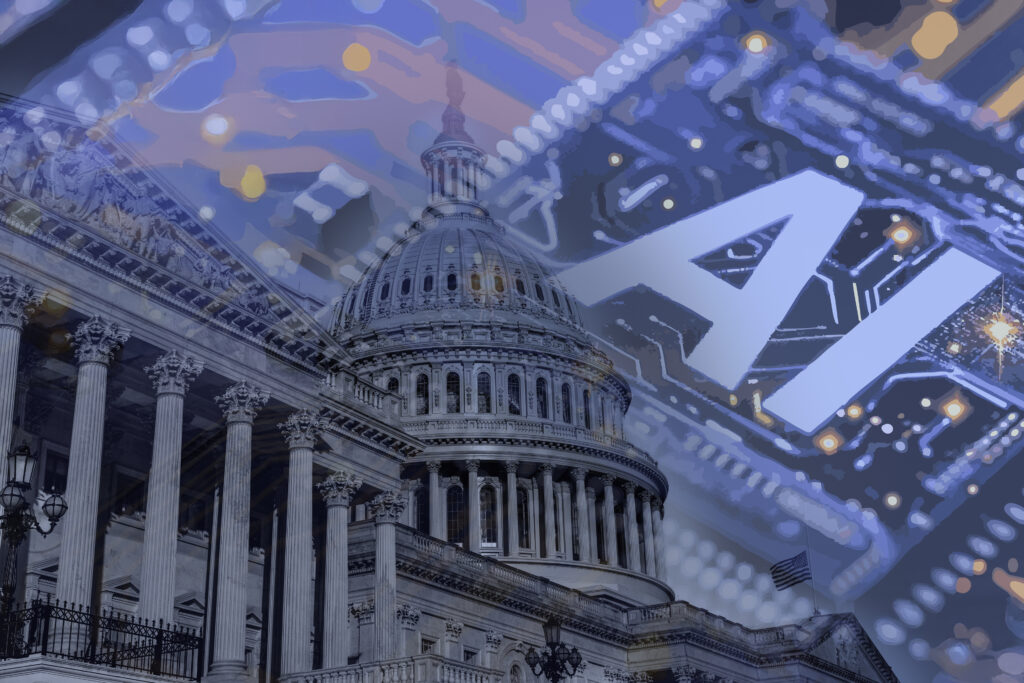
Artificial Intelligence (AI) and other emerging technologies, such as blockchain, IoT, quantum computing, and biotechnology, are not just reshaping industries and societies but also offering a beacon of hope. These innovations bring immense potential to solve complex problems, drive efficiency, and enhance the quality of life. However, they also raise critical questions about ethics, privacy, security, and accountability. The challenge lies in ensuring that these technologies are developed and deployed responsibly, balancing innovation with societal values and public trust. This is where governance frameworks come into play, providing guidelines, policies, and regulations to manage the development and use of these technologies. In this blog, we’ll explore the importance of governance for AI and other emerging technologies, the challenges it addresses, and strategies for building robust governance frameworks to foster responsible innovation. Why Governance of Emerging Technologies Matters 1. Ethical Considerations Emerging technologies, particularly AI, often raise significant ethical implications. Without robust governance, technologies can lead to unintended consequences such as bias in AI systems, misuse of data, or decisions that harm vulnerable populations. Governance ensures that ethical principles such as fairness, transparency, and accountability are upheld. 2. Mitigating Risks Emerging technologies introduce new risks, including security vulnerabilities, privacy violations, and the potential for misuse. However, governance frameworks play a crucial role in mitigating these risks by establishing standards and best practices for secure development and deployment, thereby providing a sense of reassurance. 3. Building Trust Public trust is essential for the widespread adoption of emerging technologies. Governance frameworks create transparency, demonstrating that developers and organizations prioritize user safety, privacy, and ethical behavior. 4. Ensuring Compliance and Regulation Many sectors, such as healthcare, finance, and defense, are heavily regulated. Governance frameworks ensure that emerging technologies comply with industry-specific regulations and legal requirements, minimizing the risk of fines and legal challenges. 5. Supporting Sustainable Innovation By providing guidelines and accountability mechanisms, governance frameworks help ensure that emerging technologies contribute to long-term societal and economic goals without causing harm or exacerbating inequality. Key Challenges in Governing Emerging Technologies 1. Rapid Pace of Innovation Emerging technologies evolve faster than regulatory frameworks can keep up. Policymakers often struggle to create rules that are flexible enough to accommodate future advancements while addressing present risks. 2. Global Scope Technologies like AI and blockchain operate across borders, raising questions about jurisdiction and enforcement. Coordinating governance efforts on a global scale is a significant challenge. 3. Ethical Ambiguity What is considered ethical or acceptable varies across cultures, industries, and stakeholder groups. Defining universal ethical standards for technologies like AI is complex and requires nuanced debate. 4. Balancing Regulation and Innovation Over-regulation can stifle innovation, while under-regulation leaves room for misuse. Striking the right balance between fostering innovation and ensuring safety is a delicate task. 5. Accountability and Liability Determining responsibility when emerging technologies fail or cause harm can be difficult, especially in cases involving autonomous systems or complex algorithms. Principles for Governing AI and Emerging Technologies Effective governance frameworks should be guided by principles that prioritize ethics, security, and inclusivity. Here are some key principles: 1. Transparency 2. Fairness and Inclusivity 3. Accountability 4. Security and Privacy 5. Adaptability Strategies for Building Governance Frameworks 1. Multi-Stakeholder Collaboration 2. Develop Ethical Guidelines 3. Implement Regulatory Sandboxes 4. Invest in Education and Awareness 5. Use Standards and Certifications 6. Leverage Technology for Governance Examples of Governance in Action 1. GDPR (General Data Protection Regulation) 2. OECD AI Principles 3. AI Governance in Healthcare The Future of Governance for Emerging Technologies As emerging technologies continue to evolve, governance frameworks must adapt to address new challenges. Here are some trends to watch: The future of governance will require a delicate balance between fostering innovation, protecting public interests, and ensuring equitable access to technology. Conclusion The governance of AI and other emerging technologies is critical to unlocking their full potential while minimizing risks. By establishing robust frameworks that prioritize ethics, security, and inclusivity, we can ensure that these technologies drive positive change for society as a whole. The task ahead is complex, but with collaboration, transparency, and a commitment to responsible innovation, we can navigate the challenges of the digital age and create a future where technology works for everyone. Are you ready to embrace governance as a cornerstone of your approach to emerging technologies? AccessIT can help you balance innovation and responsibility by implementing Governance of AI and Other Emerging Technologies into your processes. Let’s build a safer, more ethical, and sustainable future together.
Inside the 2025 PCI SSC North America Community Meeting: Insights, Myths, and Key Takeaways

This week, the payments security community gathered in Fort Worth, Texas, for the highly anticipated 2025 PCI SSC North America Community Meeting. Held from September 16–18, the event brought together Council staff, industry experts, and stakeholders from across North America to discuss the latest in payment card security, technical updates, and collaborative opportunities. Setting the Stage: Why the PCI Community Meeting Matters Every year, the PCI SSC North America Community Meeting is more than just a conference; it’s a crucial gathering spot that wouldn’t be the same without the varied perspectives from across the industry, including yours. This event sparks innovation, deepens relationships, and guarantees that the standards safeguarding cardholder data stay strong and up-to-date in a rapidly changing environment. Key Themes and Highlights 1. Technical and Security Updates A central focus of this year’s meeting was on the latest technical and security developments in the payments ecosystem. Council staff and industry leaders shared insights on evolving threats, compliance requirements, and best practices for securing payment data. Attendees learned about upcoming changes to PCI standards and how these will impact merchants, service providers, and solution vendors. 2. Engaging Sessions and Expert Speakers The agenda featured a robust lineup of sessions led by renowned speakers and subject matter experts. Topics ranged from practical guidance on implementing PCI DSS v4.0 to deep dives into emerging technologies such as tokenization, cloud security, and AI-driven fraud prevention. Panel discussions and interactive workshops encouraged lively debate and knowledge sharing among participants. 3. Community Collaboration Collaboration remains a pledge of the PCI Community Meeting. This year’s event emphasized the importance of active participation within the PCI ecosystem. Attendees were encouraged to join Special Interest Groups (SIGs), contribute to standards development, and network with peers facing similar challenges. 4. Looking Ahead: A Global Perspective While the focus was on North America, the meeting also previewed upcoming PCI SSC events in Europe and Asia-Pacific, highlighting the global nature of payment security challenges and the need for international cooperation. My Presentation: Busting PCI Myths A personal highlight this year came unexpectedly when I was asked at the last minute to fill in for a tech talk slot. I presented “Busting PCI Myths: Practical Truths for Real Security,” a topic I’m passionate about after nearly two decades as a QSA and PCI advisor. During my talk, I addressed some of the most persistent misconceptions that continue to circulate in the industry: The key takeaway? Don’t let PCI myths lull you into a false sense of security. Real protection comes from understanding your true responsibilities and building strong, layered defenses. Ongoing Challenges: Requirements 6.4.3 and 11.6.1 Just like last year, there was significant discussion and some confusion around PCI DSS requirements 6.4.3 and 11.6.1. These requirements introduce critical mandates for monitoring and tamper detection, even for merchants completing the simplest SAQ-A. Many attendees were seeking practical guidance on how to implement these controls effectively, especially in cloud environments and where third-party service providers are involved. Final Thoughts The 2025 PCI SSC North America Community Meeting reaffirmed its status as the premier forum for shaping the future of payment security. Whether you’re a seasoned QSA or new to PCI, the event is a reminder that compliance is a journey, not a checkbox. If you missed it, I highly recommend checking out the PCI SSC website for session recordings and resources. Let’s continue to bust myths, share knowledge, and work together to build a stronger, more secure payments ecosystem. Did you attend the meeting or have thoughts on some of the new requirements? Share your experiences in the comments below!
Securing the Future of Work: Navigating the Challenges of Remote and Hybrid Environments

The COVID-19 pandemic has not only changed how we work but has also brought a new era of remote and hybrid work environments to the forefront. While these changes have advantages, they have also introduced various security challenges that organizations must address immediately. As the future of work continues to evolve, understanding and mitigating the security risks associated with remote and hybrid work models is crucial. The urgency of this task cannot be overstated, and immediate action is necessary. It’s also important to remember that security is not a one-time fix, but a continuous process of adaptation and improvement. We will explore the key security considerations for remote and hybrid work environments, offering practical strategies and best practices that are easy to implement. This will help organizations navigate this dynamic landscape and confidently protect their digital assets. These strategies are not just theoretical, but practical and effective, designed to be easily implementable, empowering you to take control of your organization’s security. The Rise of Remote and Hybrid Work The global pandemic has accelerated the adoption of remote and hybrid work models, with many organizations embracing these flexible arrangements as the new norm. According to a report from the Office of Behavioral and Social Sciences Research, the shift to remote and hybrid work has been driven by various factors, including: 1. Increased Productivity and Efficiency: Remote and hybrid work models have shown the potential for enhanced productivity and efficiency. Employees can often work more effectively without the distractions and commute time associated with traditional office environments. 2. Improved Work-Life Balance: The ability to work from home or in a hybrid setting has enabled employees to manage their personal and professional responsibilities more effectively, leading to increased job satisfaction and reduced burnout. 3. Talent Acquisition and Retention: Organizations can attract and retain top talent from a broader geographic pool by offering remote and hybrid work options. Employees are no longer restricted by location. 4. Cost Savings: Lowering overhead costs associated with physical office spaces and infrastructure can lead to substantial savings for organizations that adopt remote and hybrid work models. Security Challenges in Remote and Hybrid Environments While the advantages of remote and hybrid work are well-documented, these new work models also bring a variety of security challenges that organizations must tackle. Some key security considerations include: 1. Expanded Attack Surface: The shift to remote and hybrid work has significantly expanded the attack surface, which refers to all the points where an unauthorized user can attempt to enter or extract data from an environment. As employees access corporate resources from various devices and networks, often outside the traditional office environment, this increased attack surface makes it more challenging to maintain consistent security controls and visibility throughout the organization. 2. Endpoint Security Vulnerabilities: Remote and hybrid work environments rely heavily on employee-owned devices, which may not have the same level of security controls and updates as corporate-owned equipment. This can create vulnerabilities that cybercriminals can exploit to gain unauthorized access to sensitive data and systems. 3. Secure Remote Access Challenges: Ensuring secure remote access to corporate resources is crucial in a distributed work environment. Poorly configured or outdated virtual private networks (VPNs), identity and access management (IAM) systems, and other remote access solutions can expose organizations to various security risks, including data breaches and unauthorized access. 4. Increased Phishing and Social Engineering Attacks: Remote and hybrid work environments often make it easier for cybercriminals to exploit human vulnerabilities through phishing and social engineering attacks. Employees working from home may be more susceptible to these tactics due to the lack of physical security and oversight found in traditional office settings. 5. Data Leakage and Compliance Concerns: The decentralized nature of remote and hybrid work can make maintaining data security and complying with regulatory requirements more challenging. Employees may inadvertently expose sensitive information or fail to follow established data-handling protocols, leading to potential data breaches and compliance violations. Strategies for Securing Remote and Hybrid Work Environments Organizations must adopt a comprehensive and proactive approach to address the security challenges posed by remote and hybrid work models. Here are some key strategies and best practices that are effective in securing your remote and hybrid work environments. These strategies are designed to be easily implementable, empowering you to take control of your organization’s security. 1. Implement Robust Endpoint Security: Ensure that all devices used for remote and hybrid work, including employee-owned devices, are equipped with up-to-date antivirus software, firewalls, and other security controls. Consider using endpoint detection and response (EDR) solutions to enhance visibility and control over remote endpoints. 2. Strengthen Remote Access Security: Implement robust multi-factor authentication (MFA) and zero-trust access policies. Zero-trust is a security concept that assumes no user or device should be trusted by default, even if they are inside the corporate network. This means every user and device, whether inside or outside the network, must be verified before being granted access to corporate resources. In a zero-trust model, access is granted on a ‘need-to-know’ basis, and all traffic is inspected, regardless of its source or destination. Review and update VPN configurations regularly and consider alternative remote access solutions such as virtual desktop infrastructure (VDI) or cloud-based access management platforms. 3. Enhance Employee Cybersecurity Awareness and Training: Regularly educate and train employees on cybersecurity best practices, which include recognizing and reporting phishing attempts, securely handling sensitive data, and adhering to remote work security protocols. Adopt a culture of security awareness and shared responsibility among all employees. 4. Implement Robust Data Protection and Encryption Measures: Ensure that all sensitive data is encrypted both at rest and in transit, regardless of the device or network being used. Implement data loss prevention (DLP) solutions, which are tools and processes designed to prevent sensitive data from being lost, misused, or accessed by unauthorized users, to monitor and control the flow of sensitive information. Consider cloud-based data storage and collaboration platforms that offer robust security features, including end-to-end encryption, secure access controls, and regular security updates, to
Leveraging CMMI for Faster and More Effective Innovation

Organizations are constantly under pressure to innovate and adapt to changing market demands. The Capability Maturity Model Integration (CMMI) offers a structured framework that can help organizations streamline their processes, enhance productivity, and promote a culture of continuous improvement. By leveraging CMMI, organizations can enhance their innovation efforts, ensure that these innovations are effective, and align with strategic goals. This blog post will explore how CMMI, with its proven benefits of faster and more effective innovation, can be utilized to drive innovation across various sectors, highlighting the significant advantages it brings to organizations. Understanding CMMI CMMI is a process improvement model that offers a set of best practices for organizations to optimize their processes and achieve their goals. It provides a roadmap for organizations to assess their current capabilities, identify areas for improvement, and implement changes that enhance performance. CMMI encompasses various domains, including development, services, and acquisition, making it applicable across a wide range of industries. The model is structured into five maturity levels, each representing a different stage of process improvement: 1. Initial: Processes are unpredictable and reactive. 2. Managed: Processes are planned and executed in accordance with the policy. 3. Defined: Processes are well-defined and standardized across the organization. 4. Quantitatively Managed: Processes are controlled using statistical and other quantitative techniques. 5. Optimizing: Focus is on continuous process improvement and innovation. By advancing through these maturity levels, organizations can strengthen their capabilities, minimize risks, and enhance overall performance. The Role of CMMI in Innovation Innovation is not merely about generating new ideas; it necessitates a systematic approach to transforming those ideas into viable products or services. CMMI offers a framework that facilitates this process by encouraging best practices in project management, process optimization, and quality assurance. Here’s how organizations can leverage CMMI to adopt innovation: 1. Streamlining Processes for Efficiency: CMMI encourages organizations to define and standardize their processes, which can significantly reduce inefficiencies and bottlenecks. By streamlining workflows, teams can focus more on creative problem-solving and less on navigating cumbersome procedures. This efficiency enables quicker iterations and a faster time to market for new products and services. For example, organizations that implement CMMI can identify redundant steps in their development processes and eliminate them, leading to a more agile approach to innovation. This streamlined process not only saves time but also reduces costs, allowing organizations to allocate resources more effectively towards innovative initiatives. 2. Enhancing Collaboration and Communication: Effective innovation often requires collaboration across various teams and departments. CMMI raises a culture of collaboration by establishing clear roles, responsibilities, and communication channels. This clarity helps dismantle silos and encourages cross-functional teams to work together towards common goals. Organizations can harness diverse perspectives and expertise by developing an environment where ideas can flow freely between teams, leading to more innovative solutions. CMMI’s emphasis on teamwork and communication ensures that all stakeholders are aligned and engaged in the innovation process. 3. One key role of CMMI is to adopt a culture of continuous improvement within organizations. By regularly assessing processes and performance, teams can identify areas for improvement and implement changes that drive innovation. This iterative approach, which is a hallmark of CMMI, allows organizations to adapt quickly to market changes and emerging trends, ensuring a sustained competitive edge and developing a culture of continuous improvement, a key to long-term success in today’s dynamic business environment. For instance, organizations can use CMMI’s quantitative management practices to analyze data and gain insights into their processes. By understanding what works and what doesn’t, teams can make informed decisions that lead to more effective innovation strategies. 4. Risk Management and Quality Assurance: Innovation inherently involves risk, but CMMI provides a framework for effectively managing that risk. By implementing robust risk management practices, organizations can identify potential challenges early in the innovation process and develop strategies to mitigate them. This proactive approach, emphasized by CMMI, reduces the likelihood of costly setbacks and increases the chances of successful outcomes, instilling a sense of security and confidence in the innovation process. Additionally, CMMI emphasizes quality assurance throughout the development lifecycle. By ensuring that quality is built into processes from the outset, organizations can deliver innovative products and services that meet customer expectations and regulatory requirements. One key advantage of leveraging CMMI is its focus on aligning processes with organizational goals. By integrating innovation initiatives with strategic objectives, organizations can ensure that their efforts are not only creative but also relevant and impactful. This alignment, a key principle of CMMI, is crucial for the success of any innovation project, ensuring that every innovation contributes to the organization’s overall success and providing reassurance and confidence in the relevance and impact of their innovation efforts. CMMI encourages organizations to establish clear goals and metrics for their innovation projects. This alignment assists teams in prioritizing their efforts and allocating resources effectively, ensuring that innovations contribute to the organization’s overall success. Case Studies: CMMI in Action Let’s examine a few case studies from organizations that have successfully leveraged CMMI to demonstrate its effectiveness in development innovation. Case Study 1: A Software Development Company. A mid-sized software development company encountered challenges in delivering projects on time and within budget. By adopting CMMI, the organization standardized its development processes and implemented best practices for project management. Consequently, the company reduced its project delivery time by 30% and enhanced customer satisfaction ratings. The structured approach provided by CMMI allowed the company to identify inefficiencies in its workflows and implement changes that streamlined operations. This newfound efficiency enabled the team to focus on innovation, successfully launching several new software products that met market demands. Case Study 2: A Healthcare Organization. A healthcare organization seeks to enhance its patient care services while controlling costs. By leveraging CMMI, the organization created a framework for continuous improvement in its service delivery processes. The result was a 25% reduction in patient wait times and a significant increase in patient satisfaction scores. Through CMMI’s focus on collaboration and quality assurance, the healthcare organization innovated its service offerings,
Legacy Stripe API Exploited: Why PCI DSS Requirement 6.4.3 is Critical for Payment Security

The digital payment ecosystem is under constant attack, and a recent campaign exploiting a legacy Stripe API has brought a new level of urgency to securing payment pages. Cybercriminals used this API to validate stolen credit card details, combining it with malicious scripts injected into payment pages to skim sensitive data. This attack highlights the evolving sophistication of skimming campaigns and the critical need for compliance with PCI DSS Requirement 6.4.3. The Attack: A Wake-Up Call for Payment Security In this campaign, attackers exploited a legacy Stripe API to validate stolen card details in real time. By injecting malicious JavaScript into payment pages, they were able to skim sensitive payment information directly from users. This attack was particularly dangerous because it could evade detection by only exfiltrating valid card data, ensuring the stolen information was immediately usable. This incident underscores the vulnerabilities that can arise when legacy APIs and unsecured client-side scripts are not properly managed. It also demonstrates why the PCI DSS v4.0 Requirement 6.4.3 is a game-changer for payment security. What is PCI DSS Requirement 6.4.3? PCI DSS Requirement 6.4.3, introduced in version 4.0 of the standard, focuses on securing client-side scripts that execute on payment pages. It requires organizations to: Maintain an inventory of all scripts running on payment pages. Justify the necessity of each script. Implement controls to ensure that only authorized scripts are loaded and executed in the consumer’s browser. This requirement is designed to address the growing threat of JavaScript-based skimming attacks, like the one targeting the Stripe API. By enforcing tighter controls over client-side scripts, businesses can significantly reduce the risk of such attacks. Why Compliance is Non-Negotiable The consequences of non-compliance with PCI DSS can be severe. Beyond the risk of data breaches, businesses face potential fines, reputational damage, and loss of customer trust. The recent Stripe API attack is a stark reminder of the importance of securing payment pages and adhering to the latest security standards. Even if you use a PCI-compliant payment processor like Stripe, your organization is still responsible for addressing potential gaps in your security posture. As noted in Stripe’s own documentation, businesses must ensure that their integration and client-side scripts meet PCI DSS requirements to avoid vulnerabilities. With 4.0 compliance becoming mandatory in 2025, now is the time to act. How AccessIT Group Can Help Navigating the complexities of PCI DSS compliance can be challenging, but you don’t have to do it alone. As a Qualified Security Assessor (QSA), AccessIT Group specializes in helping businesses understand and meet PCI DSS requirements. Our team of experts can: Conduct a comprehensive assessment of your payment page scripts. Guide you through the implementation of PCI DSS Requirement 6.4.3. Provide tailored solutions to ensure your organization achieves and maintains compliance. Whether you’re just starting your compliance journey or need assistance adapting to the new requirements, AccessIT Group is here to help. Take Action Today The evolving threat landscape demands proactive measures to secure payment data. By prioritizing compliance with PCI DSS Requirement 6.4.3, you can protect your customers, safeguard your reputation, and stay ahead of cybercriminals. Ready to get started? Contact AccessIT Group today to learn how we can help you achieve PCI DSS compliance and fortify your payment security. Don’t wait until it’s too late-take the first step towards securing your business and your customers’ data. You can read more about this story here. By: Chad Barr – Director of Governance, Risk & Compliance – CISSP | CCSP | CISA | CDPSE | QSA
Strengthening E-Commerce Security: A Professional Guide to PCI DSS Requirements 6.4.3 and 11.6.1
As the e-commerce landscape continues to expand, so does the urgency of the cyberattacks targeting payment systems. One of the most pressing threats today is e-skimming, a rapidly growing menace where cybercriminals exploit scripts on payment pages to steal sensitive payment card data. To address this immediate concern, the Payment Card Industry Data Security Standard (PCI DSS) introduced Requirements 6.4.3 and 11.6.1 in its latest version (v4.x). These requirements focus on managing and monitoring payment page scripts and security-impacting HTTP headers to prevent e-skimming attacks. To help companies understand these new requirements, they also released a guide called “Guidance for PCI DSS Requirements 6.4.3 and 11.6.1,” Version 1.0, March 2025. The guide’s purpose was to provide supplemental information and guidance to merchants and third-party service providers (TPSPs) on meeting PCI DSS Requirements 6.4.3 and 11.6.1, which address the growing threat of e-skimming attacks on e-commerce payment pages. This document does not replace or supersede requirements in any PCI SSC Standard. At AccessIT Group, we understand the complexities of PCI DSS compliance and the critical importance of securing your e-commerce environment. This post provides a professional overview of these requirements and actionable steps to help merchants, third-party service providers (TPSPs), and stakeholders enhance their payment page security. The Growing Threat of E-Skimming in E-Commerce E-skimming, also known as Magecart or formjacking, exploits vulnerabilities in e-commerce systems to steal payment card data. These attacks can occur through supply-chain compromises (e.g., third-party scripts like analytics or chatbots) or direct script injection into merchant environments. E-skimming attacks typically fall into two categories: Silent Skimming: Malicious scripts steal data in the background without disrupting the transaction. Double-Entry Skimming: Fake payment forms trick customers into entering their card details twice—once in the attacker’s form and again in the legitimate one. With the increasing reliance on external scripts for e-commerce functionality, robust script management and monitoring are essential to mitigate these risks. Understanding PCI DSS Requirements 6.4.3 and 11.6.1 Requirement 6.4.3: Managing Payment Page Scripts This requirement ensures that all scripts running on payment pages are authorized, monitored, and justified. To comply, businesses must: Authorize: Review and approve every script before deployment. Integrity-Check: Use mechanisms like hashing or Sub-Resource Integrity (SRI) to confirm scripts remain unaltered. Inventory and Justify: Maintain a detailed record of all scripts, including technical or business justifications for their use. For example, third-party 3DS (3D Secure) scripts are typically exempt due to the trust relationship established during onboarding. However, all other scripts must adhere to this requirement. Requirement 11.6.1: Tamper-Detection and Monitoring This requirement focuses on monitoring scripts and HTTP headers for unauthorized changes. Businesses must: Deploy Tamper-Detection Mechanisms: Monitor scripts and HTTP headers on payment pages. Generate Alerts: Detect and alert on unauthorized changes, such as script modifications or header tampering. Conduct Regular Monitoring: Perform monitoring at least weekly or more frequently based on risk analysis. These measures help prevent attackers from injecting malicious scripts or altering critical security headers like Content Security Policy (CSP), X-Frame Options, or Strict Transport Security (HSTS). Who Is Responsible? Responsibility for compliance depends on the payment page setup: Merchant-Hosted Payment Forms: The merchant is responsible for all scripts and headers. Embedded Payment Forms (Iframes): The merchant manages scripts on the parent webpage, while the TPSP handles iframe scripts. Redirected Payment Pages: The TPSP is responsible for compliance and has limited merchant responsibility. Fully Outsourced Websites: TPSPs manage all aspects of script and header security. Steps to Achieve Compliance 1. Managing and Securing Scripts (Requirement 6.4.3) Authorize Scripts: Implement a formal approval process for all scripts. Verify Integrity: Use tools like: Content Security Policy (CSP): Restrict where scripts can load from. Sub-Resource Integrity (SRI): Ensure scripts remain unaltered by comparing cryptographic hash values. Maintain a Script Inventory: Document every script, its purpose, and justification. 2.Monitoring and Detecting Tampering (Requirement 11.6.1) Deploy Monitoring Mechanisms: Use webpage monitoring solutions or proxy-based systems to detect unauthorized changes. Generate Alerts: Ensure alerts are triggered for suspicious changes to scripts or HTTP headers. Incident Response Plan: Integrate alerts into your incident response process to address breaches promptly. Best Practices to Minimize Risk The PCI Security Standards Council (PCI SSC) recommends additional measures to reduce e-skimming risks: Minimize Scripts: Only include essential scripts on payment pages. Isolate Scripts in Sandboxed Iframes: Prevent scripts from accessing sensitive data. Restrict Script Sources: Use CSP to limit domains from which scripts can load. Monitor Behavior: Regularly analyze script behavior for anomalies. Conduct Regular Assessments: Perform penetration tests and vulnerability scans to identify security gaps. Partnering with Third-Party Service Providers (TPSPs) TPSPs can play a critical role in helping merchants meet these requirements by: Hosting secure payment pages. Providing Software Development Kits (SDKs) with built-in protections. Offering real-time monitoring services to detect e-skimming attempts. Merchants should review their TPSP’s Attestation of Compliance (AOC) to ensure alignment with PCI DSS requirements. Why Compliance Matters Non-compliance with PCI DSS Requirements 6.4.3 and 11.6.1 can result in severe consequences, including financial penalties, reputational damage, and loss of customer trust. By implementing these requirements, businesses can protect sensitive customer data, prevent costly breaches, and maintain compliance with industry standards. The risk is real, and the consequences are significant. Take the Next Step with AccessIT Group Securing your e-commerce environment is critical to protecting your customers and your business. At AccessIT Group, we specialize in helping organizations navigate the complexities of PCI DSS compliance and implement robust security measures to safeguard payment systems. Contact AccessIT Group today to learn how we can help you meet PCI DSS Requirements 6.4.3 and 11.6.1, protect against e-skimming attacks, and ensure your e-commerce platform remains secure and compliant. Let us partner with you to build a safer digital future. Don’t wait until it’s too late. Take the next step towards securing your e-commerce environment with AccessIT Group. The full guide, which provides comprehensive information and practical tips on meeting PCI DSS Requirements 6.4.3 and 11.6.1, can be found here. It is a valuable resource for anyone involved in e-commerce security, from merchants to third-party service providers, and can help
Navigating the New PCI DSS SAQ-A Updates: What Merchants Need to Know
The Payment Card Industry Security Standards Council (PCI SSC) has introduced significant updates to the Self-Assessment Questionnaire A (SAQ-A), effective March 31, 2025. These updates significantly change merchant eligibility requirements and compliance obligations, particularly for e-commerce businesses that outsource cardholder data processing. While the removal of two specific compliance requirements, 6.4.3 and 11.6.1, might initially appear to simplify the compliance process, a closer examination reveals a more complex reality. The updates shift the focus from explicit controls to broader, high-standard obligations, raising the bar for merchants seeking to qualify for SAQ-A. This blog post delves into the key changes to SAQ-A, their implications for merchants, service providers, and Qualified Security Assessors (QSAs), and actionable steps stakeholders can take to navigate this evolving compliance landscape. Understanding the Changes to SAQ-A The updated SAQ-A introduces two major changes: specific compliance requirements (6.4.3 and 11.6.1) are removed, and new eligibility criteria are added. Let’s examine these changes in more detail. 1. Removal of Requirements 6.4.3 and 11.6.1 Previously, SAQ-A merchants needed to comply with the following requirements: Requirement 6.4.3: Mandated the inventory, justification, and control of all scripts on payment pages, ensuring that each script was authorized and its integrity assured. Requirement 11.6.1: Merchants must monitor payment pages for unauthorized modifications, including changes, additions, and deletions to scripts or security-impacting HTTP headers. These controls were designed to protect against malicious script-based attacks, such as eSkimming or Magecart, which target e-commerce systems to compromise sensitive data. However, with the latest SAQ-A update, these requirements are no longer explicitly mandated for SAQ-A merchants. This does not mean that the underlying security objectives have been abandoned. 2. New Eligibility Criteria While removing 6.4.3 and 11.6.1 might seem like a relaxation of obligations, introducing a new eligibility criterion significantly raises the compliance threshold. To qualify for SAQ-A, merchants must now confirm that their entire e-commerce site—not just the payment page—is secure and not susceptible to attacks from malicious scripts. This includes: Protection against first-party, third-party, and external scripts that could compromise e-commerce systems. Comprehensive security measures to prevent vulnerabilities across the entire website beyond the scope of the payment page. This shift in focus creates a circular compliance challenge: even though 6.4.3 and 11.6.1 are no longer required, the new eligibility requirement effectively necessitates adherence to the principles of these controls. Merchants must still implement robust protections, such as script monitoring and integrity checks, to secure their e-commerce environments and maintain compliance. Guidance and Clarifications On February 28, 2025, the PCI SSC released FAQ 1588, further clarifying the updated SAQ-A requirements. Key takeaways include: 1. Scope: The new eligibility criteria apply only to merchant sites hosting embedded payment forms (e.g., iFrames). Redirects or links to payment pages are excluded. Third-party scripts unrelated to payment processing and incapable of compromising account data security are not considered third-party service providers. 2. Eligibility Options: Implementing requirements 6.4.3 and 11.6.1 remains sufficient to meet the new eligibility criteria. Alternative solutions, such as penetration testing, web application firewalls (WAFs), or processor attestations, may also fulfill the criteria, subject to QSA discretion. Provided merchants adhere to implementation guidelines, payment processors can provide written confirmation that their iFrame solutions include necessary protection against script-based attacks. What Hasn’t Changed? Despite the updates to SAQ-A, several key elements remain unchanged: 1. Compliance Deadlines: The deadline for compliance with PCI DSS v4.0.1, including the requirements for 6.4.3 and 11.6.1, remains March 31, 2025, for all merchants not eligible for SAQ-A. 2. Requirements for Service Providers: Service providers must still comply with 6.4.3 and 11.6.1, ensuring comprehensive script inventory, monitoring, and security of payment flows. 3. Security Expectations for SAQ-A Merchants: While the compliance process may appear streamlined, SAQ-A merchants are still expected to implement robust protections against vulnerabilities, particularly those related to script-based attacks. Implications for Stakeholders The changes to SAQ-A have far-reaching implications for merchants, service providers, and QSAs. Here’s what each group needs to know: 1. For SAQ-A Merchants The new eligibility criteria are likely to pose significant challenges for merchants: Eligibility Hurdles: To qualify for SAQ-A, merchants must now secure their entire e-commerce site against script-based attacks. This requires implementing robust script controls and monitoring solutions, even though 6.4.3 and 11.6.1 are no longer explicitly required. Expanded Compliance Obligations: Merchants who cannot meet the new eligibility criteria will need to complete other, more comprehensive Self-Assessment Questionnaires (SAQs), such as SAQ A-EP. This represents a significant compliance uplift, as SAQ A-EP includes 151 requirements compared to the 19 in SAQ-A. 2. For Service Providers Service providers play a crucial role in helping merchants navigate these changes: Educating Merchants: Small merchants must be educated about the importance of script controls and the implications of the new eligibility criteria. Misinterpreting the updates as a relaxation of obligations could leave merchants vulnerable to attacks. Offering Solutions: Service providers can generate additional revenue by offering value-added services that simplify compliance for merchants while enhancing their security posture. For example, solutions that monitor and secure scripts can help merchants meet the new eligibility criteria. 3. For QSAs Qualified Security Assessors must adapt their approach to reflect the new SAQ-A requirements: Clarifying Misconceptions: QSAs must emphasize that removing 6.4.3 and 11.6.1 does not reduce security obligations. Under the new eligibility criteria, the expectation to secure e-commerce environments remains unchanged. Providing Guidance: QSAs should recommend proven tools and solutions, such as Content Security Policies (CSP) and Subresource Integrity (SRI), or third-party platforms, such as Human Security, Source Defense’s platform, or Jscrambler, to help merchants secure their websites and achieve compliance. Addressing the Compliance Challenge Merchants facing the new SAQ-A eligibility criteria have several options to ensure compliance: 1. Conduct Web Application Testing Merchants can take a proactive approach by conducting web application assessments to demonstrate that their e-commerce site is not susceptible to malicious script-based attacks. This approach empowers merchants to provide the evidence needed to satisfy the new eligibility requirements, giving them a sense of control over their compliance. 2. Implement 6.4.3 and 11.6.1 Across the Entire Site Although these
Navigating the Cybersecurity Landscape: A Comprehensive Guide to Governance Frameworks

In the ever-evolving world of cybersecurity, organizations face a daunting challenge: managing risk, ensuring compliance, and maintaining the integrity of their digital assets. Fortunately, various comprehensive governance frameworks have emerged to provide guidance and structure in this complex landscape. From COBIT to NIST AI RMF, these frameworks offer a wealth of best practices and standards to help organizations strengthen their cybersecurity posture. In this blog post, we’ll explore the key features and benefits of some of the most prominent governance frameworks, empowering you to confidently navigate the cybersecurity landscape. COBIT: Aligning IT Governance with Business Objectives COBIT, or Control Objectives for Information and Related Technologies, is a widely recognized framework that ISACA (Information Systems Audit and Control Association) developed. COBIT provides a comprehensive set of controls and best practices for managing and governing an organization’s information technology (IT). The framework is business-focused, defining a set of generic processes for the management of IT, with each process defined together with control objectives, management practices, and maturity models. Key Benefits of COBIT: Alignment with Business Goals: COBIT helps organizations align their IT initiatives with overall business objectives, ensuring that technology investments support strategic priorities. Risk Management: The framework provides a structured approach to identifying, assessing, and mitigating IT-related risks, promoting a more proactive and holistic risk management strategy. Compliance and Control: COBIT offers a robust set of control objectives and best practices to help organizations meet regulatory requirements and maintain the integrity of their IT systems. Continuous Improvement: The framework’s maturity models and performance measurement tools enable organizations to assess their IT governance capabilities and drive continuous improvement. NIST AI Risk Management Framework (AI RMF) In the digital age, organizations must navigate the junction of strong risk management with artificial intelligence (AI). The National Institute of Standards and Technology (NIST) has developed the AI Risk Management Framework (AI RMF) to help organizations address AI systems’ unique challenges and risks. The AI RMF provides guidance on identifying, assessing, and mitigating risks throughout the AI lifecycle, from design and development to deployment and monitoring. Key Features of the NIST AI RMF: Risk Identification: The framework helps organizations identify potential risks, such as algorithmic bias, privacy concerns, and security vulnerabilities, that may arise from using AI. Risk Assessment: The AI RMF provides a structured approach to evaluating the likelihood and impact of identified risks, enabling organizations to prioritize their mitigation efforts. Risk Mitigation: The framework offers guidance on implementing controls and best practices to address the identified risks, ensuring AI systems’ trustworthiness and responsible use. Continuous Monitoring: The AI RMF emphasizes the importance of continuously monitoring and evaluating AI systems. This allows organizations to adapt their risk management strategies as the technology and threat landscape evolves. NIST Risk Management Framework (RMF) The NIST Risk Management Framework (RMF) is a comprehensive approach to managing information security and privacy risks. The RMF provides a structured process for identifying, assessing, and mitigating risks associated with using information systems and technologies. The framework aims to cultivate trust in technology, including artificial intelligence, by promoting the development of trustworthy and secure systems. Key Aspects of the NIST RMF: Preparation: The RMF emphasizes the importance of organization-level and system-level preparations, ensuring that the necessary resources, policies, and procedures are in place to support effective risk management. Risk Assessment: The framework guides organizations through the process of identifying, analyzing, and evaluating risks, enabling them to make informed decisions about risk mitigation strategies. Risk Response: The RMF provides guidance on implementing appropriate security controls and risk-based decisions to address identified risks, balancing security requirements with organizational needs. Monitoring: The framework emphasizes the importance of continuous monitoring and review, instilling a sense of vigilance and preparedness in organizations to adapt their risk management strategies as the threat landscape evolves. DTEF: Enhancing Digital Trust and Resilience The Digital Trust Enablement Framework (DTEF) is a new initiative from ISACA (the same organization behind COBIT) that aims to help businesses build customer trust. DTEF provides a comprehensive set of guidelines and best practices to improve security, privacy, reliability, and reputation in the digital landscape. Key Pillars of the DTEF: Security: The framework helps organizations implement robust security measures to protect against cyber threats and safeguard sensitive data, providing a strong sense of reassurance and protection. Privacy: DTEF offers guidance on ensuring compliance with data privacy regulations and protecting the confidentiality of customer information. Reliability: The framework emphasizes the importance of system availability, resilience, and business continuity, helping organizations maintain the trust of their stakeholders. Reputation: DTEF provides a structured approach to managing an organization’s digital reputation, including incident response and crisis management strategies. Other Prominent Frameworks While the frameworks mentioned above are some of the most widely recognized, organizations may consider several other governance frameworks, depending on their specific needs and industry requirements. These include: ITIL (Information Technology Infrastructure Library): A framework for IT service management, focusing on aligning IT services with business needs. ISO (International Organization for Standardization): A family of standards, including ISO 27001 for information security management and ISO 31000 for risk management. CMMI (Capability Maturity Model Integration): A framework for improving processes and project management in software development and other industries. Choosing the Right Framework When selecting a governance framework, organizations should consider their specific business objectives, industry regulations, and the maturity of their existing cybersecurity and risk management practices. A hybrid approach, leveraging the strengths of multiple frameworks to create a tailored solution that addresses the organization’s unique needs, is often beneficial. Conclusion In the ever-evolving world of cybersecurity, governance frameworks like COBIT, NIST AI RMF, and DTEF provide invaluable guidance and structure for organizations seeking to strengthen their security posture, ensure compliance, and build digital trust. By gaining a deep understanding of these frameworks’ key features and benefits, security professionals can confidently navigate the complex landscape and feel empowered to make informed decisions that will help their organizations thrive in the digital age. As you embark on your journey to enhance your cybersecurity governance, remember that the right framework is
Globalization and the Regulatory Landscape: Navigating the Challenges of a Connected World

Globalization has become a defining feature of our economic landscape in the 21st century, driven by technological advancements, trade liberalization, and reduced barriers to cross-border investment. However, this interconnectedness brings with it a myriad of regulatory challenges and complexities. As businesses expand beyond national borders, they must navigate a complex web of regulations varying from jurisdiction to jurisdiction. This blog post will explore the relationship between globalization and the regulatory landscape, examining the challenges, opportunities, and trends shaping this dynamic environment. Understanding Globalization Defining Globalization Globalization refers to how businesses and other organizations develop international influence or operate internationally. It encompasses various aspects, including trade, investment, technology, culture, and communication. The rise of globalization has led to increased economic growth, higher standards of living for many, and the exchange of ideas across borders. Drivers of Globalization Several key factors have propelled globalization, including: Technological Advancements: Innovations in communication and transportation have made connecting with markets and consumers worldwide easier. Trade Liberalization: Reducing tariffs and trade barriers has facilitated easier access to foreign markets. Market Expansion: Businesses seek new markets to sustain growth, leading to increased foreign direct investment (FDI). Cultural Exchange: The sharing of cultural values and practices has created a more interconnected global community. The Regulatory Landscape: A Complex Terrain The Need for Regulation in a Globalized World As globalization intensifies, effective regulatory frameworks become increasingly critical. Regulatory environments must adapt to address the unique challenges of cross-border transactions, market dynamics, and technological advancements. These challenges include: Consumer Protection: Ensuring that consumer rights are upheld across jurisdictions. Environmental Regulations: Addressing the impact of globalization on environmental sustainability. Labor Standards: Protecting workers’ rights in a globalized labor market. Data Privacy and Security: Safeguarding personal information in an interconnected digital landscape. The Fragmentation of Regulations One of the significant challenges posed by globalization is the fragmentation of regulatory frameworks. Different countries have their own laws and regulations, leading to complexities for businesses seeking to operate in multiple jurisdictions. This fragmentation can result in: Compliance Costs: Businesses may face increased costs to comply with varying regulations. Legal Risks: Companies may inadvertently violate laws in their jurisdictions. Market Access Barriers: Divergent regulations can create barriers to entry for foreign businesses. Trends Shaping the Regulatory Landscape 1. Harmonization of Regulations: There is an increasing push toward regulatory harmonization in response to fragmentation challenges. This involves aligning regulations across countries to create a more consistent global framework. Efforts to harmonize regulations can be seen in various sectors, including: Trade Agreements: Bilateral and multilateral trade agreements often include provisions for regulatory cooperation. International Standards: Organizations such as the International Organization for Standardization (ISO) work to develop global standards that facilitate trade. 2. Increased Focus on Data Privacy: As businesses collect and process vast amounts of data across borders, robust data privacy regulations have become paramount. In recent years, regulations such as the General Data Protection Regulation (GDPR) in the European Union have set a precedent for data protection laws globally. Companies must navigate these regulations to ensure compliance while maintaining their competitive edge. 3. Sustainability and Environmental Regulations: Globalization has raised concerns about environmental sustainability and corporate responsibility. As consumers increasingly demand sustainable practices, businesses face pressure to comply with environmental regulations. This trend is leading to the development of: Green Regulations: Laws aimed at reducing carbon footprints and promoting sustainable practices. Corporate Social Responsibility: Initiatives encouraging businesses to consider their environmental and social impact. 4. Evolving Labor Regulations: The global labor market is undergoing significant changes due to globalization. The rise of gig economy jobs and remote work has prompted governments to reevaluate labor regulations. Key considerations include: Worker Protections: Ensuring fair wages and working conditions for all workers, regardless of employment status. Cross-Border Labor Standards: Addressing labor rights in multiple countries’ supply chains. Navigating Regulatory Challenges 1. Proactive Compliance Strategies: To thrive in a globalized environment, businesses must adopt proactive compliance strategies. This includes: Regular Regulatory Audits: Conducting audits to assess compliance with relevant regulations in each jurisdiction. Stakeholder Engagement: Collaborating with regulatory bodies and industry associations to stay informed about regulation changes. Training Programs: Implementing training programs for employees to ensure awareness of regulatory requirements. 2. Leveraging Technology: Technology can play a crucial role in helping businesses navigate the regulatory landscape. Tools such as compliance management software, data analytics, and artificial intelligence can enhance regulatory compliance efforts. These technologies can: Automate Compliance Processes: Streamlining reporting and documentation requirements. Enhance Data Security: Protecting sensitive information in line with data privacy regulations. Facilitate Risk Assessment: Identifying potential compliance risks before they escalate. The Role of International Organizations International organizations play a vital role in shaping the regulatory landscape in a globalized world. They provide platforms for dialogue, cooperation, and standard-setting among countries. Some key organizations include: World Trade Organization (WTO): Facilitates trade negotiations and promotes fair trade practices. United Nations (UN): Addresses global issues, including human rights and sustainable development. International Labor Organization (ILO): Sets labor standards and promotes fair working conditions globally. Conclusion Globalization presents both opportunities and challenges for businesses operating in an interconnected world. As companies navigate the complex regulatory landscape, they must remain adaptable and proactive in their compliance efforts. The increasing push toward regulatory harmonization, data privacy, sustainability, and evolving labor standards will shape the future of global business. To succeed in this dynamic environment and ensure compliance and sustainability, organizations must embrace change, leverage technology, and engage with stakeholders. By doing so, they can not only navigate the challenges of globalization but also thrive in a world where interconnectedness is the norm. Call to Action Stay informed about the evolving regulatory landscape and its implications for your business by subscribing to industry publications, attending conferences, and engaging with regulatory bodies. By proactively addressing regulatory challenges, you can position your organization for success in the global marketplace. By: Chad Barr – Director of Governance, Risk & Compliance – CISSP | CCSP | CISA | CDPSE | QSA